
Printed On: Oct 13, 2026 || Published On: Aug 29, 2026
Keora Fruit of the Sundarbans Opens New Economic Opportunities for Coastal Communities
Princh Mondal Olif, Bagerhat District Correspondent:
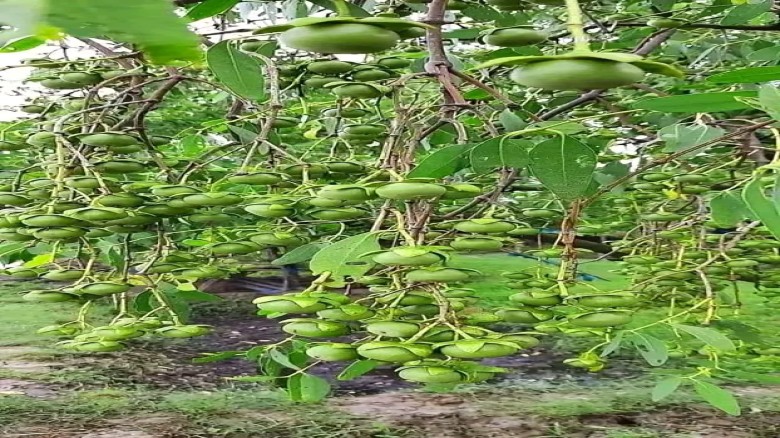
The keora tree, a vital mangrove species of the Sundarbans, is emerging not only as a natural shield for the coastal region but also as a potential source of income for local communities.
Scientifically known as Sonneratia apetala, keora grows naturally in the saline soil and tidal environment of the Sundarbans and other coastal areas of Bangladesh. Its fruit has long been used as a traditional food by coastal communities. The fruit is generally available during the monsoon season, particularly from August to October.
With its distinctive sour taste, keora fruit is traditionally used in curries, lentil dishes, fish preparations, chutney and pickles. Recent research has also highlighted its potential for producing value-added food products such as jam and jelly.
Scientific studies have identified several nutritional and bioactive components in the fruit, including vitamin C, polyphenols, flavonoids and various minerals. Research has also found antioxidant activity in different parts and extracts of the fruit. Minerals such as potassium, calcium, magnesium, iron, manganese and zinc have also been detected.
Recent research has further explored the extraction of vitamin C and pectin from keora fruit, indicating opportunities for developing processed food products. However, these findings should not be interpreted as proof that the fruit can prevent or cure specific diseases; further clinical research is required to establish health-related claims.
Keora is also important to the Sundarbans ecosystem. Its fruits are consumed by spotted deer, macaques and various birds, while its flowers attract bees and contribute to the forest's honey resources.
For coastal communities, particularly women, the fruit could become a promising raw material for small-scale enterprises. Processing keora into pickles, chutneys, jam and jelly could create employment and generate additional household income.
Experts, however, stress that commercial use must be accompanied by proper processing, quality control, hygienic packaging and sustainable harvesting practices. Protecting the ecological balance of the Sundarbans should remain a priority.
With proper planning, research and sustainable management, keora could move beyond being a traditional forest fruit and become a valuable resource for nutrition, small entrepreneurship and the wider coastal economy.
© 2025 Bangladesh Diary, All Rights Reserved
 Print
Print
 Save
Save