
Printed On: Aug 31, 2026 || Published On: Aug 31, 2026
Rooppur: Russia Partnership, Energy Security and Environmental Concerns
"Rooppur's is not just about generating electricity; it is about building Bangladesh's long-term capacity to safely operate and regulate nuclear technology. The real success of the project will count on how effectively we can turn the knowledge and experience gained here into national expertise."
A Bangladeshi engineer involved with the Rooppur Nuclear Power Plant
Sakibul Hasan
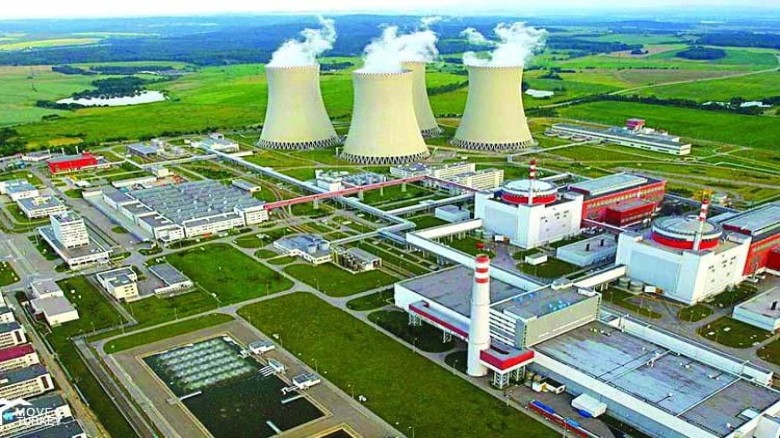
Bangladesh's first nuclear power plant, Rooppur, has reached a crucial Juncture in the country's energy history. After years of construction, the plant in Ishwardi, Pabna, is now in the commissioning phase. Nuclear fuel loading for Unit-1 began on April 28, 2026, following by initial commissioning tests. However, as of August 23, the plant had not yet started commercial power generation for the national grid. The initial targets of supplying around 300 megawatts to get the grid was also delayed pending regulatory approval.
Therefore, Rooppur should not be viewed simply as a power plant. It's one of the largest long-term examples of technological, financial and nuclear cooperation between Bangladesh and Russia. At the same time, it places Bangladesh under environmental and nuclear-safety accountabilities that could extend for the decades.
The two Rooppur units use Russia's VVER-1200 reactor technology and are expected to generate 2,400MW of electricity at full capacity. The project has a total contract value of around $12.65 billion, with most of the financing coming through Russian state credit.
The key question for Bangladesh is no longer simply when Rooppur will start generating electricity but the bigger question is whether this partnership can strengthen the country’s energy security and deliver economic benefits while ensuring long-term environmental and nuclear safety.
Rooppur's Economic Importance Beyond Electricity
The country’s demand for electricity is rising alongside industrialisation and economic growth. Reliable power is an important for industry, agriculture, information technology and new investment. With a capacity of 2,400MW, Rooppur will add a significant new source of the national power system. The project will also diversify Bangladesh's energy mix.
Alongside gas, coil and oil, nuclear power could help reduce bank on any single source of energy. But Rooppur's economics success cannot be measured by electricity generation alone. Debt replyment, generation costs, operation expenses and long term maintenance will also determine the project's actual economic value.
Under the 2016 Bangladesh-Russia loan agreement, &11.38 billion in state credit was allocated for the two units, accounting for roughly 90 percent of the project costs. Rooppur's, therefore, both a major infrastructure investment and a substantial long-term financial commitment.
Why Russia Matters
Russia's role in Rooppur extends beyond supplying reactor technology. Following the 2011 intergovernmental agreement, the two countries established a framework for corporation covering construction, financing, technology, nuclear-fuel supply and spent-fuel management.
according to IAEA documents, arrangements also exist for spent nuclear fuel to be returned to Russia. Cooperation has also established in areas including radioactive-waste management and future decommissioning.
This arrangement is a privilege for Bangladesh. It does not mean, however, that the country can leave nuclear-safety responsibilities to Russia. Until spent fuel is returned, Bangladesh must ensure it's safe storage, handling and transportation through trained personnel and strong regulatory oversight.
Nuclear Power and the Environment
In the context of climate change, one of Rooppur's major potential benefits is its eligibility to generate low-carbon electricity. Unlike cool or gas fired power plants, a nuclear reactor does not directly emit carbon dioxide during normal electricity generation. Nuclear power could, therefore, help Bangladesh Rooppur's depend on fossil fuels.
But the environmental impact of nuclear power cannot be measured by carbon emissions alone. Radioactive waste, spent fuel, radiation production, water use, emergency preparedness and eventual decommissioning are all important considerations.
Rooppur's true environment success will depend on whether Bangladesh can combine low-carbon electricity generation with effective management of these risks.
The Padma River and Radioactive waste
Rooppur's location on the banks of the Padma rivers makes water management an important environmental issue. Government reports state that the plant's cooling system design considered the river's water quality, physiochemical characteristic and water levels. However, the real test will come after the plant becomes operational.
Regular monitoring of water temperature, water use, aquatic ecosystem and radiological parameters will be essential. Equally important will be transparency: whether environmental monitoring data are regularly collected and made publicly accessible will have a direct bearing on public confidence.
Radioactive-waste management presents another long-term challenge. In addition to spent fuel, a nuclear power plant generates different categories of radioactive waste. An IAEA document has referred to plans for an interim disposal facility at Rooppur for very low-level radioactive waste, with a capacity of around 11,500 cobic metres.
Bangladesh's challenge is not simply where to store such waste. It must develop the capacity to manage the entire lifecycle-from classification and storage to transportation, disposal and long-term monitoring.
Safety Is also Bangladesh Responsibility
Although Rooppur uses Russian Technology, responsibility for its safe operation also rests family with Bangladesh. The Bangladesh Atomic Energy Regulatory Authority (BAERA) will play a critical rule in ensuring that the plant meets national and international safety requirements.
The commissioning process in 2026 has already demonstrated the importance of regulatory approable. Although fuel loading and initial commissioning test for Unit 1 have been completed, the plant needs a B2 commissioning licence before moving to the next stage. The planned 300MW grid connection was delayed while awaiting regulatory approval.
This is an important reminder that in nuclear power, safety verification and regulatory approval must take priority over the rush to generate electricity. In the long term, Rooppur's safety will depend heavily on BAERA's manpower, technical expertise, inspection capacity and ability to make independence regulatory decisions.
Measuring Rooppur's Real Success
Connecting Rooppur's first electricity to the national grid will be an important milestone but it will not mark the end of the project's success story, it will begin a long operation journey.
Rooppur's success should be measured not only by the 2,400 megawatt it is expected to generate, but also by several broaders questions: How reliable will electricity supply be? will the cost of generation be economically justified? How will Bangladesh manage its long-term debt obligations to Russia? How much domestic nuclear expertise will the country develop? And most importantly, how effectively will the safety of people and the environment be protected?
Rooppur's is therefore more than Bangladesh first nuclear power plant. It is an energy project, a major economic investment, a technological partnership and a long-term environmental accountability.
Russian technology and cooperation can provide Bangladesh with an opportunity to strengthen energy security, expand low-carbon electricity generation and build new technological capabilities. But the lasting benefits of the partnership will ultimately depend on Bangladesh's own institutional capacity, regulatory strength, environmental monitoring and commitment to safe operation.
Ultimately, the Rooppur story is bigger than 2,400MW of electricity. It is about a fundamental National question:
Can Bangladesh use its long-term nuclear partnership with Russia to achieve energy security and economic development while fulfilling its environmental accountsabilities.
The first answer will begin Rooppur's electricity reaches the national grid. The real answer, however, will emerge over many years through how safely the plant operates, how effectively Bangladesh regulates it and how successfully the country fulfils its responsibility to project the environment and future generation.
© 2025 Bangladesh Diary, All Rights Reserved
 Print
Print
 Save
Save