
From Zia to Tarique: BNP’s Leadership Transition Over 48 Years and the Challenges Ahead
Staff Correspondent
The Bangladesh Nationalist Party (BNP) has entered its 48th year today. Founded by Ziaur Rahman on September 1, 1978, the party has evolved into one of Bangladesh’s leading political forces through a long journey that has included both periods in government and in opposition.
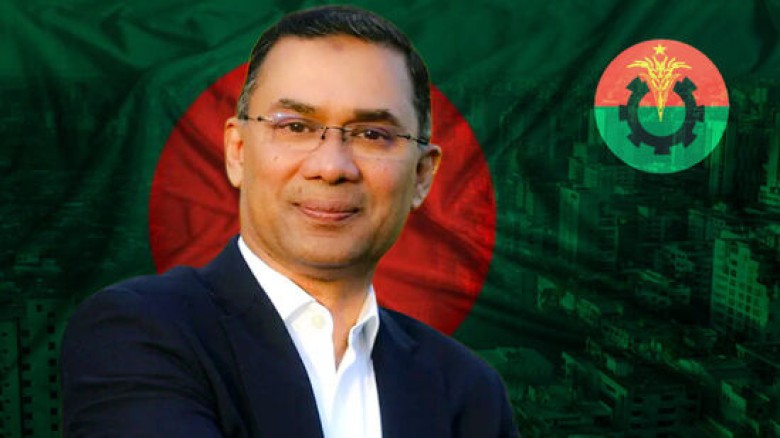
The party has now entered a new political chapter under the leadership of Prime Minister and BNP Chairman Tarique Rahman.
BNP’s 48-year history can broadly be divided into three leadership phases: its founding and political consolidation under Ziaur Rahman; the expansion of its popular base and periods in state power under Khaleda Zia; and the current phase under Tarique Rahman, marked by the challenges of leading both the government and one of the country’s largest political parties.
BNP Founded Under Ziaur Rahman
The BNP was founded on September 1, 1978. Following its establishment, Ziaur Rahman brought together people from different political backgrounds and ideologies, helping transform the party into one of the country’s major political forces.
However, following his death in 1981, the BNP faced a new political reality and a transition in leadership.
Khaleda Zia’s Long Leadership
Khaleda Zia subsequently assumed leadership of the party. Under her leadership, the BNP played a significant role in the movement against military rule and returned to state power through the 1991 election.
For several decades, she remained at the centre of BNP politics and played a major role in expanding and strengthening the party’s organisational structure.
Following Khaleda Zia’s death, the BNP is observing its founding anniversary for the first time without her presence. As a result, this year’s anniversary is being marked under an emotional and distinctly different political reality for the party.
A New Chapter Under Tarique Rahman
After serving as the party’s acting chairman for a long period, Tarique Rahman assumed the position of BNP chairman in 2026. Under his leadership, the party subsequently returned to state power.
As both prime minister and party chief, Tarique Rahman now faces a dual responsibility: running the government while also maintaining unity and organisational discipline within one of Bangladesh’s largest political parties.
Challenges Ahead
Since returning to power, the BNP faces several major political and organisational challenges.
Balancing government and party: Maintaining a clear distinction between state administration and party activities will be an important challenge.
Managing grassroots conflicts: Competition over positions, influence and access to opportunities may intensify within the party as a result of power politics.
Coordinating old and new leadership: Ensuring effective cooperation between experienced senior leaders and a new generation of political leadership will be crucial for the BNP’s organisational future.
Party discipline and accountability: The party’s ability to take swift and effective action against leaders and activists facing allegations of misconduct will play a major role in protecting its public image.
Maintaining public confidence: The government’s performance on issues such as inflation, employment, law and order, education, healthcare and public services will significantly influence the BNP’s future political acceptance.
BNP Faces a New Test
The party’s 48th founding anniversary is therefore not only an occasion to reflect on its past but also a time to assess the new political realities facing the BNP.
Following its founding under Ziaur Rahman, the long leadership of Khaleda Zia and the emergence of Tarique Rahman as the party’s new leader, the BNP has entered another important chapter in its political history.
The party’s biggest test will be its ability to maintain organisational discipline while in power, preserve public confidence and lead an effective and accountable government.
After 48 years of leadership transitions, one of the most important questions surrounding the BNP’s future will be how successfully Tarique Rahman navigates these political and organisational challenges in the years ahead.
© 2025 Bangladesh Diary, All Rights Reserved
 Print
Print
 Save
Save