
The Uncertain Future of Children in Rohingya Camps
Sakibul Hasan
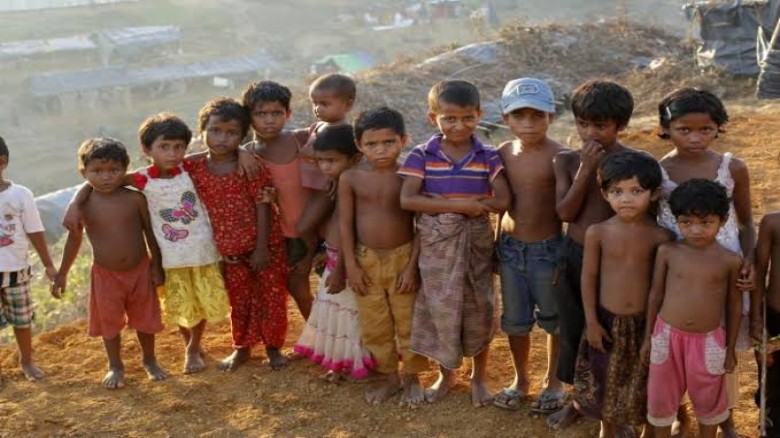
Misbahur Rahman came to Bangladesh in 2017, at the age of
10, after being displaced from Myanmar. Nearly nine years later, at 19, he
reflects on the lives of children growing up in the refugee camps—not only
their daily struggle to meet basic needs, but also their search for
opportunities to build a future.
The scale of the crisis is reflected in UNICEF’s 2026
Humanitarian Action for Children appeal, which estimates that approximately
599,965 Rohingya children are living in Bangladesh. The figure is based on
Government of Bangladesh–UNHCR population data as of 31 August 2025. Meeting
the needs of so many children requires more than food and shelter. They also
need education, healthcare, nutrition, protection, opportunities to play and
the chance to plan for their future.
According to Misbahur’s observations, some children attend
learning centres, others help their families, while some spend time playing
with their peers. Yet opportunities for education, safe play and skills
development remain unequal. Poverty, overcrowded living conditions, limited
educational provision and uncertainty about the future can make childhood
difficult.
Many children dream of becoming doctors or teachers, while
others hope to serve their communities. But without the education and
opportunities needed to pursue these ambitions, their paths forward become
narrower.
Education: How Far
Can Children Go?
Education helps children imagine a future for themselves. In
Rohingya camps, some have access to learning centres and educational activities
supported by humanitarian organizations. However, many still face barriers to
learning.
According to UNICEF’s 2026 information, an estimated more
than 235,000 Rohingya children and adolescents aged 5–17 in Bangladesh are out
of school. Meanwhile, UNHCR’s 2025 Annual Results Report states that 306,068
children aged 3–18 received education services through various partners across
the 33 camps in Cox’s Bazar and on Bhasan Char.
According to Misbahur’s, continuity in education is a
particular challenge for older children and adolescents. Limited learning
facilities, shortages of educational materials, financial hardship and
restricted opportunities for further study can all stand in their way.
As children grow older, their needs change. Beyond basic
education, they require quality teaching, skills development, guidance and
opportunities to plan for the future. Interrupted education can limit both
personal ambitions and their ability to contribute to their families and
communities.
Food, Safe Water and
Healthcare
Education alone cannot ensure healthy development. Children
also need nutritious food, safe drinking water, sanitation, healthcare and
secure shelter. Mishabur observes that despite humanitarian assistance, many
families still struggle to meet these basic needs. Overcrowding, limited living
space and poor sanitation can increase health risks and make access to
healthcare and nutritious food more difficult.
Children with disabilities and those needing additional
support may face greater barriers when services, accessible facilities or
information are limited. Protecting children’s rights means ensuring not only
education, but also the conditions they need to survive, grow and fulfil their
potential. Reliable data are essential to identify gaps in nutrition, safe
water and healthcare.
When Playgrounds
Shrink, Childhood Shrinks Too
Play is more than entertainment. It helps children build
friendships, learn teamwork, express creativity and develop physically and
emotionally. Mishabur says some children play informally in the camps, while
community initiatives and humanitarian organisations arrange recreational
activities in certain areas. However, access to safe play spaces, sports
equipment and organized activities remains unequal.
In overcrowded settings, space for safe play can be limited,
reducing children’s opportunities to explore, learn and socialize. A safe place
to play is not a luxury. It is an essential part of childhood and healthy development.
Data on the availability of play spaces and children’s access to them would
help clarify the extent of the problem.
An Uncertain Future
and Emotional Well-being
Prolonged displacement can expose children to uncertainty.
According to Mishabur’s observations, limited opportunities, family worries and
concerns about the future may contribute to fear, sadness or stress, though
every child’s experience is different and their emotional state cannot be
judged simply by appearance. Children need safe spaces to speak freely and
access appropriate support when needed. Supportive adults, mental health and
psychosocial services, and opportunities for play and creative activities can
promote healthy development. Listening to children and taking their feelings
seriously can help sustain confidence and hope, while reliable data and regular
assessments are needed to identify support gaps.
Child Protection Must
Be a Priority
Child protection is another important concern in the camps.
According to Mishabur, effective systems are needed to address risks such as
neglect, abuse, exploitation, child labour, child marriage and separation from
family members. Poverty, limited safe spaces and inadequate support can
increase children’s vulnerability. Even where protection services exist,
families may not know how to access them. Fear, stigma and concerns about
confidentiality can also discourage people from seeking help.
Protection services must therefore be accessible,
child-friendly and sensitive to individual needs. Children and caregivers need
clear information about where and how to seek help safely. Protecting
children’s identity and dignity is equally important. Reports of child labour,
abuse or child marriage should be supported by reliable evidence; general concerns
must not be presented as verified incidents.
Children Have
Dreams-They Need Opportunities
Mishabur’s observations suggest that many children in the
camps dream of becoming doctors, teachers, engineers or researchers. Some hope
to work in humanitarian assistance, support their families or contribute to
their communities. These aspirations show that Rohingya children are not simply
a population in need of aid; they have their own dreams, talents and potential.
Yet having a dream is not the same as having the opportunity to fulfil it.
Without quality education, skills development, guidance,
scholarships and access to further study, many children may struggle to pursue
their goals. For older children and young people, uncertainty about continued
education and future prospects is a significant barrier, according to Mishabur.
They need pathways that connect learning with skills development and future
opportunities, alongside immediate assistance.
From Humanitarian Aid
to Long-Term Solutions
Humanitarian organisations provide education, food,
healthcare, child protection and recreational activities in Rohingya camps.
These services are essential, but Mishabur believes gaps remain and support
needs to be sustained. Alongside emergency assistance, long-term investment is
needed in quality education, healthcare, nutrition, safe play spaces, child
protection and psychosocial support.
Children’s own views must also be heard. Meaningful
engagement with children, caregivers, teachers and young people can help ensure
that assistance responds to their actual needs and aspirations. A long-term
solution to the Rohingya crisis also requires effective international action.
Any repatriation must be voluntary, safe, dignified and sustainable, with
fundamental issues such as rights, security and citizenship adequately
addressed.
Creating a Path
Towards Their Dreams
Mishabur Rahman’s nearly nine years in the camps raise an
important question: Are children who dream of a better future being given the
opportunities to make those dreams a reality?
UNICEF estimates that nearly 600,000 Rohingya
children in Bangladesh require assistance, while more than 235,000 Rohingya
children aged 5–17 are estimated to be out of school. These figures
reveal the scale of the challenge, but behind every number is an individual
child with distinct needs, experiences and hopes. Children want more than
survival. They want to learn, play, grow and build a future according to their
abilities. They need an environment where displacement, poverty and limited
opportunities do not define their potential.
Securing their future requires more than compassion: it
demands meaningful action. It requires more than temporary assistance: it calls
for long-term planning. And it means not only speaking on children’s behalf,
but also listening to their own voices.
A child’s dream moves closer to reality when education,
protection, healthcare and opportunities are within reach. Creating that path
for Rohingya children is not merely a humanitarian responsibility-it is a matter
of their rights and dignity.
© 2025 Bangladesh Diary, All Rights Reserved
 Print
Print
 Save
Save