
Challenges Facing Trump After Setback in Midterm Elections
Staff Reporter
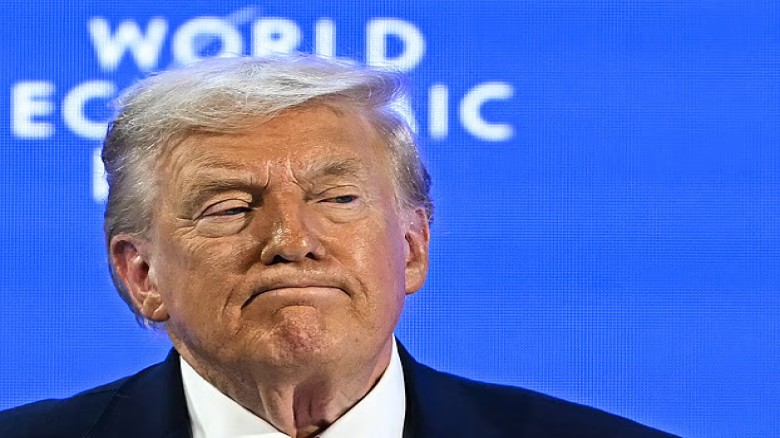
Following a major setback for Republicans in the US midterm elections, President Donald Trump is facing new political and administrative challenges. The Democrats’ strengthened position in Congress could make it more difficult for his administration to pass legislation, secure budget approval and implement policy decisions.
During the election campaign, Trump appealed to voters by highlighting his own popularity and urging them to support Republican candidates. However, the results went against his expectations. According to the report, Democrats led by nearly 13 percentage points in the nationwide vote for the House of Representatives.
After the results were announced, Trump claimed that Republicans would have won by a wide margin if his own name had been on the ballot. However, even before the election, the White House had been preparing for the possibility of a defeat. It had also been considering how to use executive powers to pursue its agenda without new legislation and how to handle potential congressional investigations.
Although Trump has expressed willingness to work with Democrats, he retains the power to veto bills passed by them. When the new Congress begins its session next January, his administration may have to negotiate with Democrats over the budget, investigations and various appointments.
Trump Administration Could Face Investigations
If Democrats secure a majority in the House of Representatives, they could launch investigations into the Trump family’s business interests, defence spending and documents related to Jeffrey Epstein. As part of these investigations, administration officials and other relevant individuals could also be called to testify before Congress.
Democrats may also seek to initiate impeachment proceedings against Trump. However, removing him from office through impeachment would require the support of two-thirds of the members of the Senate.
The White House is also considering measures such as imposing new tariffs and tightening visa requirements. However, as congressional approval is necessary for budgetary measures and major legislation, the Democrats’ position will become increasingly important.
Political Calculations Ahead of the 2028 Election
The midterm election results have also intensified discussions about the future leadership of the Republican Party. In this situation, Vice President JD Vance may face a difficult choice between distancing himself politically from Trump and maintaining his loyalty to the president.
Secretary of State Marco Rubio and Florida Governor Ron DeSantis are also being discussed as potential Republican presidential nominees for the 2028 election.
However, a defeat in the midterm elections does not mean Republicans have lost their chances in the 2028 presidential race. The political landscape of the next election will also depend on how well Democrats meet voters’ expectations over the next two years.
The election results could also have implications internationally. Japan and South Korea may delay fulfilling their investment commitments in the United States. Meanwhile, China could seek to take advantage of the Trump administration’s political weakness in negotiations, according to the report’s analysis.
© 2025 Bangladesh Diary, All Rights Reserved
 Print
 Save