
BNP Adopts Strategic Approach to Restore Party Unity, Focuses on Grassroots and Rebel Leaders
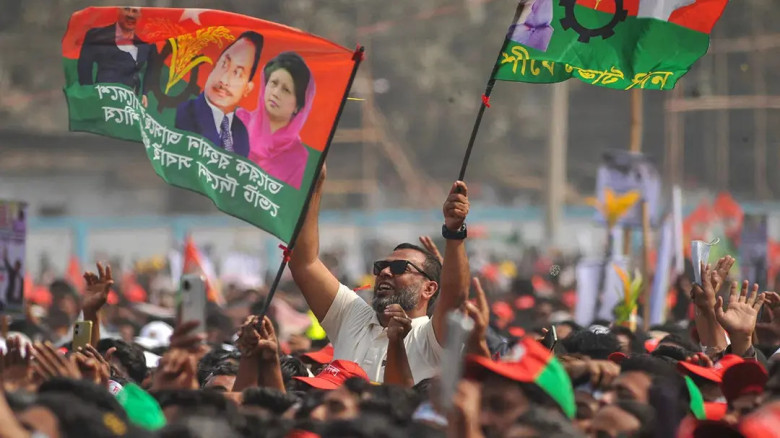
Following its landslide victory in the 13th parliamentary election, the Bangladesh Nationalist Party (BNP) has taken steps to strengthen internal unity by bringing back expelled and rebel leaders. Amid preparations for upcoming local government elections and evolving political realities, the party is gradually moving to revoke the expulsion orders of grassroots leaders and prominent rebel candidates to reduce internal divisions.
After years of political movements and struggles, the BNP is now facing new challenges in governing the country. During the 13th parliamentary election, at least 70 central and grassroots leaders contested as independent candidates against the party's official candidates after being denied nominations. They became known as rebel candidates in their respective constituencies.
The party expelled these leaders for contesting against its nominated candidates. In addition, more than 500 grassroots leaders were expelled for supporting rebel candidates and acting against the party's decisions in an effort to maintain organisational discipline.
Although most of the expelled leaders later submitted applications seeking reinstatement, only a handful of grassroots leaders have so far had their expulsion orders withdrawn. Most cases remain under organisational review.
According to responsible party sources, the BNP has decided to reinstate several prominent rebel candidates who defied party decisions during the 13th parliamentary election. They are expected to receive official letters from the party's central leadership soon.
At the same time, expulsion orders against more than 500 grassroots leaders who supported rebel candidates or acted against party decisions will also be withdrawn in phases.
As part of this process, the BNP has already revoked the expulsion orders of six leaders of the Narail district unit. Most recently, on Tuesday, the party reinstated former Narail district BNP General Secretary Monirul Islam and restored him to his previous position.
Monirul contested as an independent rebel candidate against Dr Fariduzzaman Farhad, the BNP-nominated candidate for the Narail-2 constituency.
Speaking to Dhaka Post, multiple senior party leaders and activists said the BNP's biggest challenge now is to bridge the divisions that have emerged within the party.
After overcoming prolonged political adversity and returning to power, expectations among party leaders and activists have increased. However, dissatisfaction over inadequate recognition, disputes over organisational positions, conflicts among local leaders and election-related rivalries have created tensions in several areas.
They warned that failure to resolve these disputes promptly could weaken the party's organisational structure at the grassroots level.
Meanwhile, maintaining party unity, ensuring organisational discipline, addressing internal dissatisfaction and preventing the political rehabilitation of the ousted Awami League have emerged as major challenges ahead of the upcoming local government elections.
National Professor and political analyst Dr Mahbub Ullah said internal crises within a large political party could not be resolved solely through expulsions or disciplinary measures. However, attempting to settle every dispute through discussions could also weaken organisational discipline.
He stressed the need for practical decisions based on individual circumstances and the nature of each dispute.
He also said that, alongside strengthening its organisational structure, the BNP government should prioritise establishing national unity in the current political situation. All relevant stakeholders, including the government and opposition parties, must demonstrate sincerity and overcome divisions to work together.
Saiful Alam Nirab, an expelled BNP leader and former convener of the Dhaka North City unit, told Dhaka Post that he remained committed to BNP politics, guided by the ideals of Shaheed Ziaur Rahman, the late Khaleda Zia and Tarique Rahman.
He said his commitment to the party would remain unchanged regardless of whether he held an organisational position or his expulsion order was withdrawn.
Nirab also said that he had continued participating in all party programmes following the election and had been observing all programmes announced by the Prime Minister.
He added that the party would consider his position.
© 2025 Bangladesh Diary, All Rights Reserved
 Print
 Save