
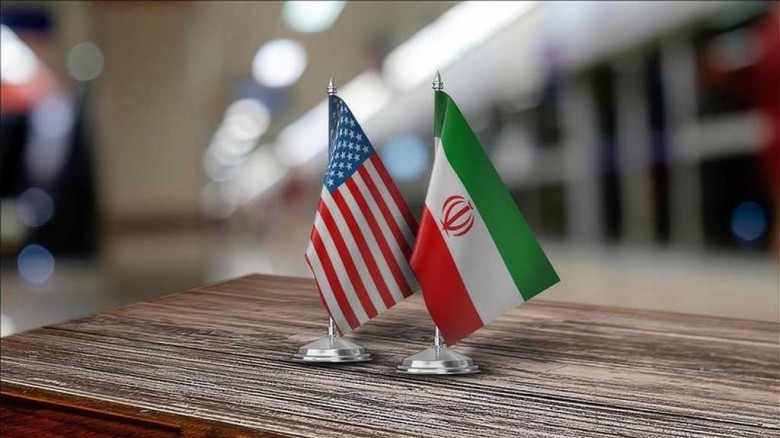
Talks Collapse, Tensions Rise Again as US and Iran Face Off
Online Desk
After 21 hours of negotiations in Islamabad
ended without an agreement, the United States and Iran are once again in direct
confrontation, putting the fragile ceasefire at risk.
Following the breakdown in talks, both sides
blamed each other. Donald Trump issued a renewed warning, stating that military
action against Iran remains an option if necessary. He also mentioned the
possibility of naval control and vessel interceptions around the Strait of
Hormuz.
Iran, however, rejected US demands as
“excessive and unacceptable.” Officials in Iran stated that there is no room
for compromise on national sovereignty or its nuclear program.
Although Pakistan played a key mediating
role, a breakthrough could not be achieved. US Vice President JD Vance said
Washington had clearly outlined its “red lines,” but Tehran did not accept
them.
The international community has expressed
concern over the renewed tensions. Keir Starmer and Haitham bin Tariq have
called for de-escalation. Meanwhile, Iran’s President Masoud Pezeshkian held a
phone conversation with Vladimir Putin following the failed talks.
The key points of disagreement included
Iran’s nuclear program, sanctions relief, and control over the Strait of
Hormuz. The United States is seeking a firm commitment that Iran will not
develop nuclear weapons, a condition Tehran has refused.
Analysts warn that the situation could escalate again militarily. While diplomatic efforts are ongoing, the firm positions on both sides make a quick resolution unlikely.
© 2025 Bangladesh Diary, All Rights Reserved
 Print
Print
 Save
Save