
Stray Dogs Pose Public Safety Threat
Sakibul Hasan
The growing
number of stray dogs across the country’s streets, villages, and cities has
become a major public safety concern. Many citizens claimed that daily movement
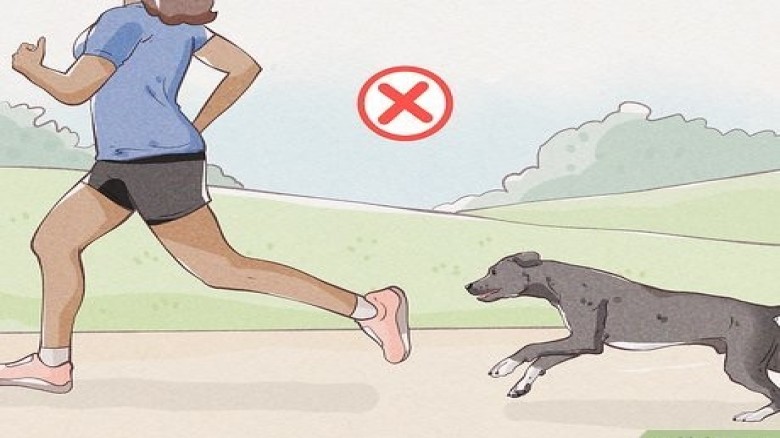
has become increasingly risky in several areas. Stray dogs chasing pedestrians
and attacking people have raised alarm, especially parents are so fear for the
safety of their children.
According to
various reports, nearly 250,000 people in our country are bitten by dogs every
year, while hundreds reportedly die real amount of numbers could be even higher
and there are many incidents happen undocumented or unreported.
Before 2012,
the authorities used to carry out timely culling operation to control stray dog
populations. Following court intervention and pressure however from animal
rights groups, but the practice was halted. Since then, the authorities have
primarily focused on vaccination and the program of birth-control, although the
city people argue that implementation has remained weak and ineffective.
Many people
claim that Bangladesh lacks a proper registration system for pet ownership,
while the most of dogs remain stray and unmanaged. Consequently, critics say
that the stray dogs have restlessly expended, making risk for the people.
Residents in several areas allege that even healthy stray dogs often become
aggressive when searching for food or encountering unfamiliar people.
A tragic
incident, a ten-year-old boy from a local family has died after being bitten by
a stray dog. According to the family conversation, the severity of the bite was
initially underestimated, leading to a delay in seeking proper medical
treatment. As the child’s situation rapidly deteriorated, he was eventually
taken to a hospital, but despite attempt to save him, he could not survive. The
incident highlights a serous gap in public health awareness and underscores the
critical Importance of immediate treatment to prevent rabies after animal
bites.
The issue
has also prompted comparisons with the UK dog control system, where pet
ownership registration, identification measures, the shelter system, and strict
local authority oversight in place. Under those systems, stray dogs are
collected, temporarily sheltered, and rehomed where possible. If no owner of
shelter placement is found within a specific time, legal procedures allow
further action
Public
health experts and concerned citizens say Bangladesh urgently needs strong
policies to control dogs, develop vaccination programs, make sure
accountability from local authorities, and prioritize public safety while
debate between public safety advocates and animal rights groups.
© 2025 Bangladesh Diary, All Rights Reserved
 Print
Print
 Save
Save