
Rising Child Deaths from Measles Raise Questions Over Public Health System
Online Desk
Public health experts have expressed deep concern over the growing number of child deaths caused by measles in the country, questioning both the healthcare system and the government’s preparedness. According to them, delayed action, vaccine shortages, weak disease surveillance, and poor coordination in preventive measures have allowed the situation to become increasingly severe.
At a press conference titled “Child Deaths from Measles: Public Health Crisis and the Way Forward” held at the Dhaka Reporters Unity in the capital, doctors and public health specialists said the situation became more complicated because no public health emergency was declared even after the outbreak began. They argued that there is no room to avoid responsibility for the deaths of more than four hundred children.
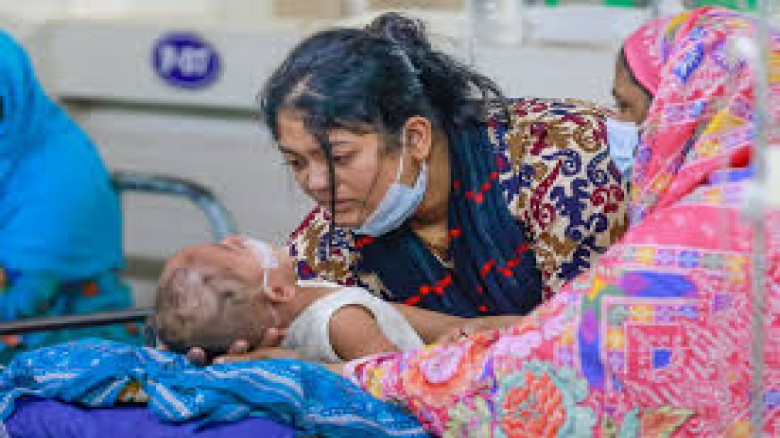
According to the latest data from the Directorate General of Health Services, two more children died with measles symptoms in the last 24 hours. Since March 15 this year, the total number of deaths linked to measles and measles-like symptoms has reached 453. Among them, 74 children were confirmed to have died from measles, while 379 died with related symptoms.
Doctors at the press conference said the crisis has worsened due to complications in vaccine procurement, weak disease monitoring systems, declining immunity among children, and shortcomings in Vitamin A campaigns. Public health experts emphasized that adequate funding and immediate effective measures are essential to ensure preventive healthcare services.
The specialists also stressed the need to expand ICU facilities for children in hospitals, ensure high-flow oxygen support, and provide rapid treatment to infected patients. They further demanded the introduction of dedicated “Measles Corners” in all government hospitals, full vaccination coverage for children, and regular distribution of Vitamin A capsules.
Meanwhile, data from Mymensingh Medical College Hospital shows that a large number of children who died from measles there were below nine months of age. This means many became infected before they were eligible for the government vaccination program. According to hospital data, 24 out of 31 deceased children were between newborn and nine months old.
Pediatric specialists said that with sufficient ICU facilities, many of the children might have been saved. Experts believe that tackling the current crisis will require not only medical treatment, but also coordinated public health initiatives and rapid awareness campaigns.
© 2025 Bangladesh Diary, All Rights Reserved
 Print
Print
 Save
Save