
US–Iran Tensions: Ceasefire Uncertain, Risk of Wider Conflict Grows
Online Desk
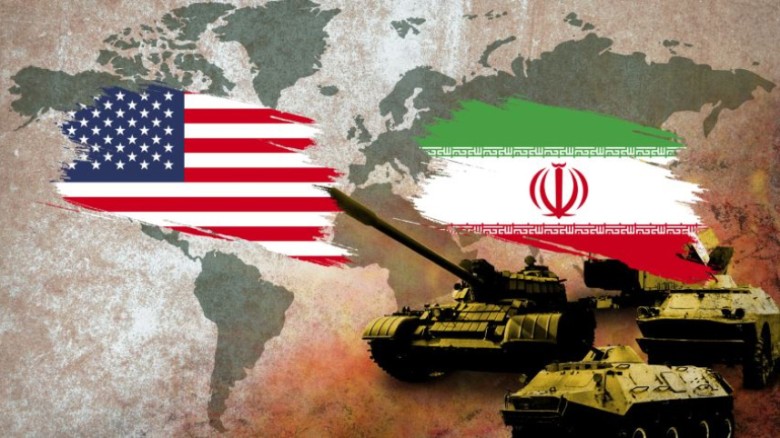
Tehran has issued a strong warning that any renewed attacks by the United States or Israel could escalate the conflict beyond the Middle East. The Islamic Revolutionary Guard Corps (IRGC) stated that further aggression would not remain limited to the region.
US President
Donald Trump paused the so-called “Operation Epic Fury,” but six weeks later,
negotiations have yet to produce any concrete outcome. Washington has rejected
Iran’s latest proposal, describing it as a repetition of earlier demands.
Iran’s
conditions reportedly include control over the Strait of Hormuz, lifting
sanctions, releasing frozen assets, compensation for war damages, and the
withdrawal of US forces from the region.
Iran had
previously warned of strikes on US bases in the Middle East if attacked. Now,
for the first time, it has hinted at the possibility of targeting locations
beyond the region. Amid rising tensions, Pakistan is continuing mediation
efforts. Its interior minister has visited Tehran and held talks with senior
Iranian officials.
Traffic through the Strait of Hormuz—one of the world’s most critical oil routes—is increasing again. Countries like China, South Korea, and India are resuming or preparing oil shipments via the route. The number of vessels passing through has nearly doubled compared to the previous week.
The ongoing tensions are affecting global oil prices, causing daily fluctuations. Most recently, crude oil prices dropped by about 2.75%, settling near $108 per barrel.
With upcoming elections, rising energy prices are putting pressure on the Republican Party. Trump has sent mixed signals—at times suggesting military action was close, while also expressing optimism that a resolution could come soon.
The
situation remains fragile. While diplomatic efforts continue, escalating
threats raise concerns that the conflict could expand if no agreement is
reached soon.
© 2025 Bangladesh Diary, All Rights Reserved
 Print
Print
 Save
Save