
From Parliament to Society: Questions Over Women's Attire, Dignity and Mutual Respect
Jannatun Naeem
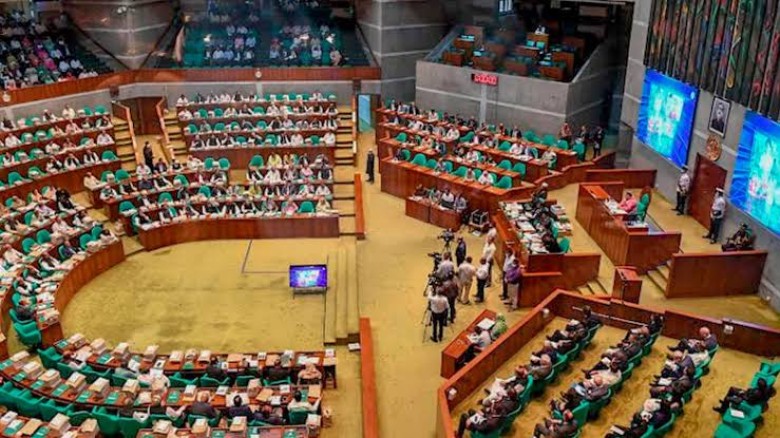
Recent discussions and reactions concerning women's clothing, personal freedom and mutual respect in the country's highest policymaking institution—the National Parliament—have sparked renewed debate on social media. In particular, many have expressed concern over instances of ridicule, mockery or disrespect directed at women who choose to wear the burqa, hijab or niqab.
Critics argue that a woman's attire can be an expression of her personal choice, beliefs and identity. From that perspective, humiliating or mocking a woman because of the way she dresses is neither appropriate nor acceptable. Likewise, targeting women with offensive language, personal attacks or character assassination due to political differences or ideological disagreements cannot be justified.
Many have pointed out that women should first and foremost be seen as human beings, regardless of their political affiliations, social identities or personal beliefs. Greater emphasis should be placed on their work, competence, intelligence and contributions to society, rather than on assumptions or comments about their appearance, clothing or private lives.
Another important issue highlighted in this discussion is the persistent tendency within society to attack women's character or personal identity while criticising them. According to members of the conscious and informed public, constructive and respectful criticism is an essential part of democratic culture, but humiliation and degradation can never be acceptable.
Many participants in the debate have also stressed that women's safety, dignity and respect must be ensured in every sphere of life—from the home to the workplace. Respect should not be viewed as an act of charity or a special privilege; rather, it should be recognised and upheld as a fundamental right.
Ultimately, one message has emerged clearly from these discussions: while a woman's freedom to decide how she dresses is important, mutual respect, decency and tolerance are equally essential for building a just and inclusive society.
© 2025 Bangladesh Diary, All Rights Reserved
 Print
Print
 Save
Save