
Hilsa Scarcity Hits Coastal Bagerhat Despite Peak Fishing Season
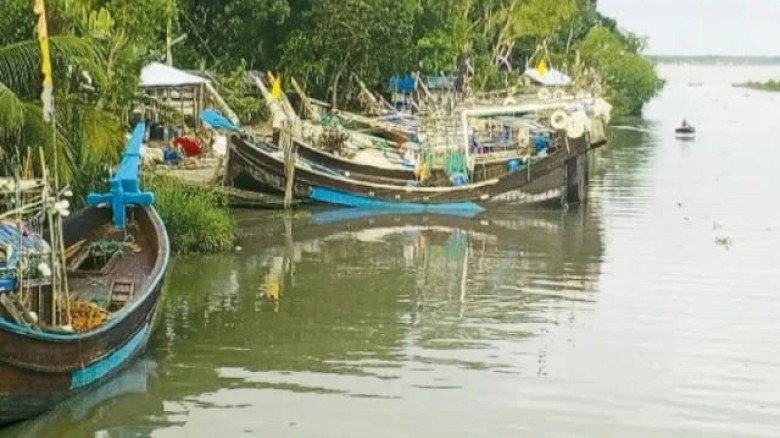
Princh Mondal Olif, Bagerhat District Correspondent:
Although it
is the peak hilsa fishing season, fishermen in Bagerhat and other coastal areas
are facing an acute shortage of the country's most prized fish. Adverse
weather, climate change, and the widespread use of illegal fishing nets are
being blamed for the declining hilsa catch, putting thousands of fishing
families under severe financial pressure.
Frequent
low-pressure systems over the Bay of Bengal have kept the sea rough, preventing
many fishing boats from operating regularly. As a result, numerous trawlers are
returning to shore with little or no catch, causing a sharp decline in fish
supplies to local wholesale markets.
Fishermen
and fish traders also allege that illegal behundi nets in river estuaries and
the reported intrusion of Indian fishing trawlers are disrupting hilsa
migration and breeding. They argue that seasonal fishing bans in Bangladesh
alone are not enough and suggest coordinated conservation measures between
Bangladesh and India to protect hilsa stocks.
Officials
from the Fisheries Department acknowledge that illegal nets are obstructing the
natural movement of hilsa. They stress the importance of stronger enforcement,
sustainable fisheries management, and long-term support for fishing
communities.
With hilsa
becoming increasingly scarce, market prices have risen significantly, making
the fish less affordable for ordinary consumers. Experts warn that without
effective action against climate change impacts, illegal fishing, and habitat
degradation, the coastal fisheries sector may face even greater challenges in
the years ahead.
© 2025 Bangladesh Diary, All Rights Reserved
 Print
Print
 Save
Save