Press Releas
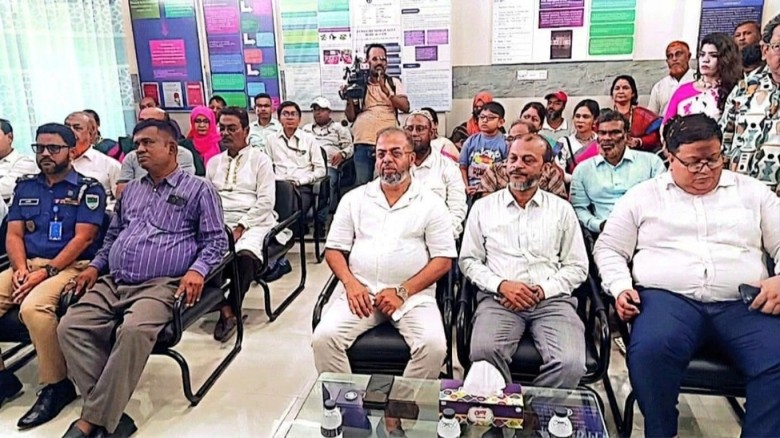
IDLC Investments Limited, a subsidiary of IDLC Finance PLC, organised the IDLC Capital Market Conclave 2026 at the Renaissance Dhaka Gulshan Hotel yesterday (10 October), bringing together policymakers, regulators and business leaders to discuss strengthening Bangladesh's capital market and diversifying corporate financing.
The event focused on expanding the capital market and developing a more advanced, balanced and sustainable financial system, according to the press release.
Senior officials from banks and corporate institutions, economists and capital market representatives participated in the discussions.
The Business Standard Google News Keep updated, follow The Business Standard's Google news channel
Speakers emphasised the importance of attracting large institutions and reputable businesses with strong financial foundations, sound corporate governance and consistent records of business success to deepen the capital market.
They also highlighted the need to bring new companies into the market through initial public offerings and direct listings, expand investment opportunities, improve liquidity and strengthen investor confidence.
Masud Khan, chairman of the Bangladesh Securities and Exchange Commission (BSEC), attended as the chief guest.
Others present included Dr Imam Abu Sayeed, executive director of Bangladesh Bank; Kazi Mahmood Sattar, chairman of IDLC Finance; M Jamal Uddin, chairman of IDLC Investments; Dr Nazneen Ahmed, executive director of the Centre for Policy Dialogue; Tanvir Habib Rahman, commissioner of BSEC; and Mominul Islam, chairman of the Dhaka Stock Exchange.
In his welcome address, Jamal Uddin said, "As Bangladesh's economy continues to advance, the financing needs of banks and financial institutions are also increasing. The importance of alternative sources of financing is growing to meet this rising demand. In this context, there is no alternative to developing a strong and effective capital market."
He added, "The banking sector has always played an important role in the country's financial system. However, if the capital market can be developed into a more effective alternative for long-term corporate financing, it will be possible to significantly ease the growing financing pressure on the banking sector."
Masud Khan said, "We want companies to enter the capital market voluntarily, without being compelled to do so, and benefit from it. We have already held direct discussions with several domestic, foreign and multinational companies. Private-sector entrepreneurs should give serious consideration to listing on the stock market."
Kazi Mahmood Sattar said, "In other countries, individuals who save money, but have limited understanding of and confidence in the capital market generally rely on mutual funds. Unfortunately, good practices in mutual fund management have not been established in Bangladesh."
He said such savers tended to favour fixed deposits in Bangladesh, but deposit rates had fallen to single digits. The stock market needed particular attention to serve their investment needs, he added.
"Not every investor in the stock market is willing to gamble. Many people want secure returns that may be somewhat higher than the interest rates offered on bank fixed deposits. We need to restore that confidence among stock market investors," he said.
Mesbah Uddin Ahmed, managing director of IDLC Investments, said companies in Bangladesh relied on bank borrowing for 75% of financing from the three principal sources – bonds, equity and bank loans.
He compared this with approximately 53% in India and between 15% and 20% in more developed markets.
Bangladesh also had the lowest market capitalisation compared with neighbouring countries, he said.
"We are not saying that dependence on banks is bad. Financing through the banking sector has made a significant contribution to the sustained growth and development of our economy, including GDP growth. However, we need to work towards building a more resilient and balanced financial structure," he added.
Mominul Islam said, "Our current market capitalisation stands at 7.4% of GDP or less. We have set a target of increasing this to 20% of GDP by 2030."
He said the broader market, including bonds and government securities, could grow to more than $200 billion, compared with the current equity market value of $30 billion.
"This is certainly achievable when compared with other Asian countries. However, it will require the active participation, confidence and trust of all stakeholders," he added.
Other speakers included Abdul Hai Sarker, chairman of the Bangladesh Association of Banks; MA Rahim, vice chairman of DBL Group; Md Rashiduzzaman, head of investment banking at IDLC Investments; and Md Marufur Rahman Majumder, managing director of Saudi-Bangladesh Industrial and Agricultural Investment Company Limited.
A key session was a panel discussion titled "Rethinking the Balance Sheet: Diversifying Corporate Financing".
Panellists examined how businesses could address financing constraints and develop appropriate financing structures by raising funds from different sources.
The discussion also highlighted the importance of corporate governance, regulatory frameworks and effective financial structures in strengthening long-term business value.
The conclave concluded with calls for closer collaboration among regulators, businesses, banks and capital market institutions to build a stronger and more effective financial system.
News Published By:
Bangladesh Diary

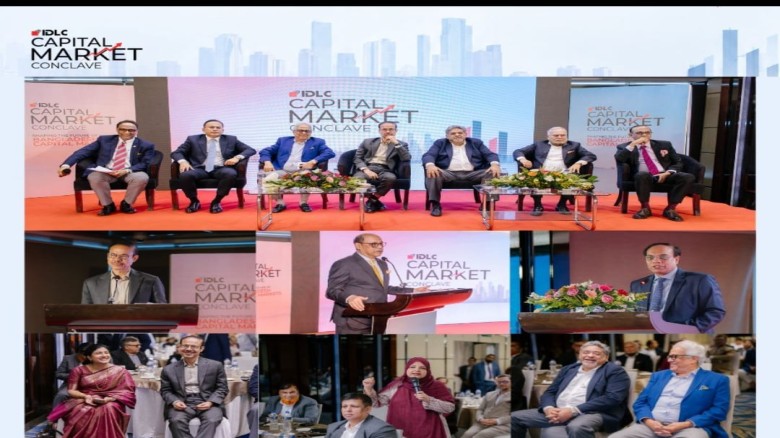 Photo: .