Dhaka

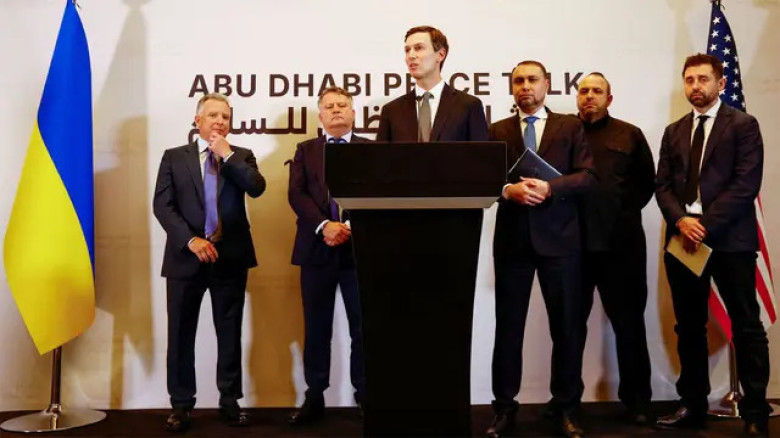 Photo: .

Russia and Ukraine have agreed to a large-scale prisoner-of-war exchange, marking a key development as two days of peace talks between the countries concluded in Abu Dhabi, the United Arab Emirates. However, significant differences remain over major issues related to the war, according to the United States, which mediated the negotiations.
Representatives from Russia and Ukraine began talks in Abu Dhabi on 10 November at the initiative of the United States. The meeting marked the first direct discussions between representatives of the two countries in nearly nine months. Their previous round of talks took place in February.
The renewed diplomatic effort after a prolonged pause raised hopes for a lasting end to the war, but the discussions failed to produce any major breakthrough. Nevertheless, both countries acknowledged some progress and expressed willingness to continue dialogue.
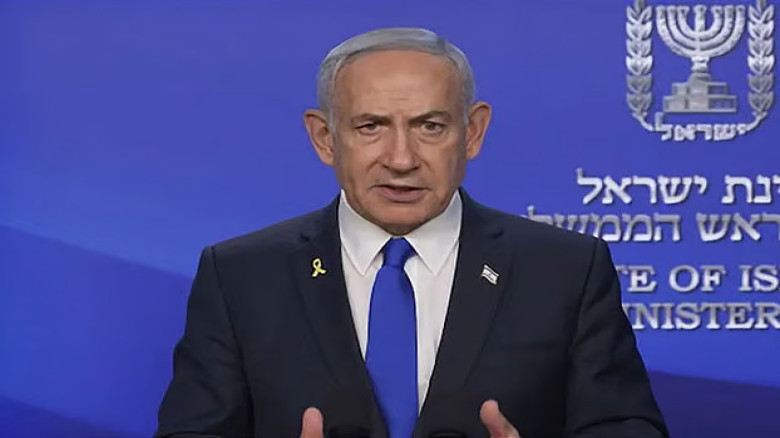
Although no major agreement or concrete solution was announced following the US-mediated talks, US President Donald Trump's son-in-law Jared Kushner and special envoy Steve Witkoff acknowledged progress in the negotiations.
Speaking to British news agency Reuters, Kushner said mediators were trying to use areas of mutual interest between the two sides to end Europe's largest conflict since World War II. He expressed hope that negotiations could establish a pathway towards peace.
The territorial dispute remains the biggest obstacle to resolving the Russia-Ukraine war. Russian President Vladimir Putin wants Ukraine to withdraw its troops from four regions—Donetsk, Luhansk, Zaporizhzhia and Kherson—and recognise them as Russian territory.
Moscow declared the four regions part of Russia in September 2022. However, Russian forces have yet to establish full control over all four territories.
Putin has also demanded that Ukraine abandon its efforts to join NATO, accept strict limitations on its military capabilities and lift restrictions on the Russian language and the Moscow-aligned Orthodox Church.
The Russian president wants a comprehensive peace agreement based on these conditions. However, he has not agreed to a direct ceasefire.
Several sources familiar with the Abu Dhabi negotiations said Kyiv had rejected Moscow's demand to hand over four territories in eastern Ukraine in exchange for a peace agreement. With territorial negotiations at a stalemate, US mediators have sought to place greater emphasis on post-war security guarantees and Ukraine's reconstruction.
Speaking to Reuters, Kushner said, "The reality is that there is currently no trust between the two sides, which is natural after a conflict of this kind."
He added, "The territorial issues raised in the negotiations will be the most difficult to resolve. Nevertheless, I believe the Abu Dhabi meeting was a good first step towards addressing this complicated issue."
Kushner said he and US special envoy Steve Witkoff would travel to Moscow on Thursday to meet Russian President Vladimir Putin. They would also raise the possibility of involving European partners in the discussions, as he believes European participation is necessary for the peace process.
Following the Moscow visit, the US delegation is planning to travel to Ireland, where it is expected to meet Ukrainian President Volodymyr Zelenskyy. During the visit, Zelenskyy is also scheduled to attend a summit of European leaders.
Meanwhile, although the Abu Dhabi talks failed to resolve the major contentious issues surrounding the war, the United States has described the agreement on a prisoner-of-war exchange as an important step forward.
However, the number of prisoners to be released has not yet been finalised.
According to Kushner, if implemented, the prisoner exchange would mark the largest humanitarian release in the four-and-a-half-year-long war.
Source: Reuters