Dhaka

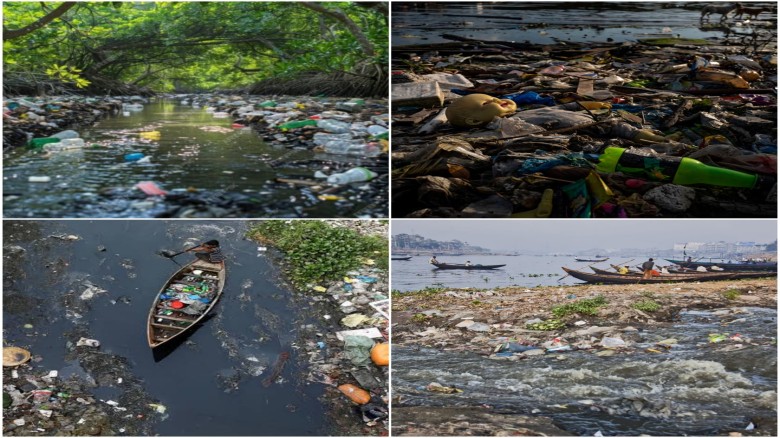 Photo: .

At a glance
Bangladesh generates 977,000 tonnes of plastic waste annually
Nearly 70% of plastic waste remains unmanaged
annual per person plastic use in Dhaka is 22.25 kg
Dhaka collects around 646 tonnes of plastic waste every day
Only 37.2%
of dhaka's plastic waste is recyced
Source: World Bank (WB), United Nations Environment Programme (UNEP)
Sakibul Hasan
Bangladesh's
rivers are increasingly being burdened by plastic wast. Rvery day large
quantities of plastic bags, food packaging materials, bottles and other plastic
garbage generated from urban areas, industrial zones and residential
settlements are entiring rivers through
canals, drains, and waterways. The growing pollution is interrupting
river environment while posing serious threats to water species, fish
reproduction areas, biodiversity and public health.
According to
the World Bank, Bangladesh generates around 977,000 tonnes plastic waste
yearly. nearly 70 percent of this worst remains outside proper waste management
system. A significant portion of this unmanaged waste is dumbes in open areas,
burned, or eventually reaches rivers, canals, and other water bodies through
various canals. Insufficient vast management systems, rapid urbanization, increasing use of single-use
plastics and lack for infrastructure are
worsening the plastic pollution crisis in the country’s rivers.
Plastic use
in Bangladesh has increase alongside changing lifestyle and urban growth. World
Bank data shows that per person use in urban areas rose from around 3 kilogram
in 2005 to 9 kilograms in 2020. The situation is more extreme in Dhaka, where
annual per person plastic consumption stands at around 22.25 kilograms. Growing
demand for plastic packaging in market, online commerce, food delivery services
and retail sector has contributed to the rising volume of plastic waste
Dhaka
generates 646 terms of plastic waste every day but only about 37.2 percent is
recyced, leaving a larg amount to pose environmentally harmful for our country.
A significant share of unmanaged plastic waste spreads into the environment.
Rainwater runoff urban drainage systems and canals carry thses plastics into
rivers, where they accumulate over time.
The rivers
surrounding the capital including the Buriganga, Turag, Balu and Shitalakhya
have been facing long-term pollution pressure. Alongside industrial waste,
solid waste, and plastic pollution have emerged as major challenges for these
rivers.
Plastic
waste accumulating in rivers in extremely
affecting river ecosystems. It interrupts natural water flow, create
layers of pollution on riverbeds and damages fish breeding habitats. Various
rivers animals, including fish, birds, sometimes mistake plastic for food,
causing health problems and rising the risk of death. Over time, larger plastic
items brek kdown into particles known as microplastic, witch can enter the
bodies of fish and other organisems and ultimately move through the natural
feeding system, creating possible dangers for human health.
The impact
of plastic pollution increase beyond environmental damage. Bangladesh's rivers
play a significant role in fisheries, navigation, agriculture, and source of
income. Decreasing river health can affect fish production and breeding,
threatening the income of fishing communities and river-based business
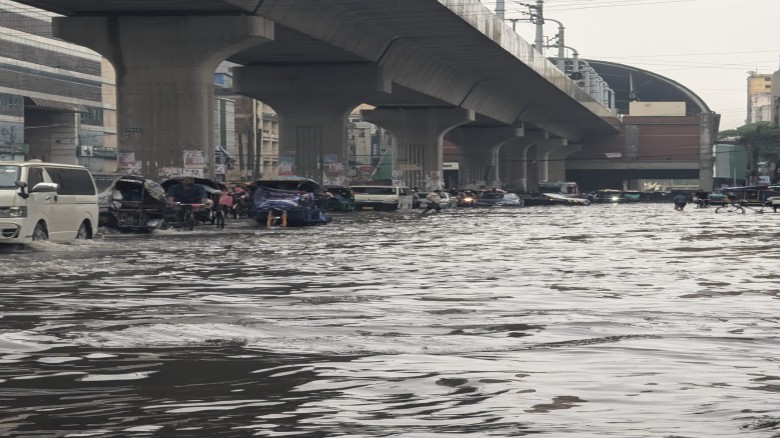
activities. Plastic waste blocking canals and drainage system also increase the
risk of urban flooding.
The major
causes behind rising plastic pollution in Bangladesh include extensive use of
single-use plastics, insufficient poor management and limited recycle
infrastructure. Large amounts of plastic waste are not properly collected or
removal of after use, allowing them to enter canals, drains and rivers. Lack of
waste separation, weak waste management practices in Industrial and business
sectors, public negligence are further contributing to the problem.
Reducing
plastic pollution needs more than river-cleaning campaigns. Effective measures
are needed at every stage from production and use to waste management.
Decreasing single-use plastic use, improving Eco-friendly option and improving
plastic collection and recycling systems are crucial steps.
Introducing
waste separation at the source can recycling opportunities. Simultaneously
stronger monitoring to prevent dumping waste into rivers and canals, improved
industrial waste management and effective regulation of plastiuse poduction and
use are essential to identify the crisis.
Public
participation is definitely important to reduc plastic pollution. The citizens
can contribute by avoiding unnecessary plastic use, choosing jute bags and
clothes, disposing of plastic waste properly and using reusable products.
Preventing plastic waste from entering rivers,
canals, and water bodies, while encouraging Community awareness, can
help reduce environmental destruction.
Rivers are
among the country's most important natural resources in Bangladesh, helping the
economy, agriculture, fisheries and biodiversity. However, increasing plastic
pollution is putting these ecosystems under growing pressure.
The
production of nearly 977,000 tonnes plastic wasten annually and the fact that a
larg portion remains unmanaged highlights seriousness of the crisis in
Bangladesh. Without immediate action of waste management, plastic control and
coordinated environmental initiatives, the damage to rivers and biodiversity
may continue to worsen.