Dhaka

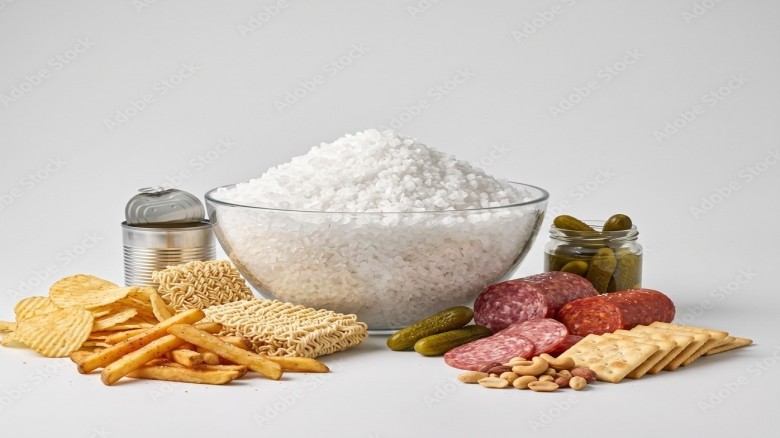 Photo: Courtesy

Lina Akter
Excessive salt in children's diets can be harmful to their
health. Developing a habit of consuming too much salt from an early age may
increase the risk of high blood pressure and heart disease later in life.
Therefore, it is important to control the amount of salt in children's daily
diets. Today, many children enjoy instant noodles, chips, chanachur, fast food,
packaged foods, and various sauces. Many of these foods contain high amounts of
salt. In addition, using too much salt during cooking and adding extra salt to
meals can increase children's sodium intake.
Why Is Too Much Salt Harmful?
Sodium is the main component of salt. The body needs a small
amount of sodium to function properly. It helps maintain the body's fluid
balance and supports normal nerve and muscle function. However, consuming too
much sodium can be harmful. When sodium levels in the body become too high, the
body may retain water. This can increase blood volume and put additional
pressure on blood vessels. Consuming too much salt over a long period can
increase the risk of high blood pressure. When blood pressure is high, the
heart has to work harder to pump blood.
Excessive salt consumption during childhood is associated
with an increased risk of developing high blood pressure later in life.
Prolonged high blood pressure can damage the heart and blood vessels,
potentially increasing the risk of heart disease and stroke in adulthood.
However, consuming too much salt does not automatically mean that a child will
develop heart disease. Overall dietary habits, physical activity, genetics, and
other health factors also play important roles.
Effects on the Kidneys and Bones
The kidneys play an important role in removing excess sodium
from the body. Consuming too much salt over a long period may increase the
burden on the kidneys. Children who already have kidney problems need to be
particularly careful about their salt intake.
Excessive salt consumption may also increase the amount of
calcium excreted through urine. Over time, this may affect bone health.
However, excessive salt intake is not the only factor that can affect a child's
height or growth. Adequate nutrition, physical activity, sufficient sleep, and
overall health are also essential for normal growth and development. In
addition, a habit of consuming foods high in salt may be associated with other
unhealthy dietary patterns. It is important to encourage children to eat
nutritious foods regularly instead of relying on such products.
Which Foods May Contain High Amounts of Salt?
Many foods that children enjoy may contain excessive amounts of salt. These
include instant noodles, packaged soup mixes, chips, chanachur, salted
biscuits, burgers, pizza, French fries, sauces, pickles, salty seasonings,
processed meat, and other packaged foods. Rather than completely banning all
these foods, it is important to reduce how often children eat them and
encourage healthier alternatives. When purchasing packaged foods, check the
nutrition information to determine their sodium content.
Ways to Reduce Salt in Children's Diets
Reducing salt in children's diets requires the whole family
to adopt healthier eating habits. Avoid adding more salt than necessary during
cooking. It is also advisable to avoid the habit of adding extra salt to food
at the table. To enhance the flavor of food, use lemon juice, coriander leaves,
mint leaves, ginger, garlic, and appropriate spices. However, even when using
these ingredients, it is important to control the total amount of salt added
during cooking.
Encourage children to eat fresh fruits, vegetables, lentils,
eggs, fish, and other nutritious foods regularly. Instead of instant noodles or
chips, offer homemade meals prepared with less salt. Pack nutritious foods for
school lunches rather than items containing excessive amounts of salt.
According to the World Health Organization, adults should
consume less than 5 grams of salt per day. For children, the recommended amount
should be lower, depending on their age and energy requirements. Therefore,
young children should not be given the same amount of salt as adults.
Develop Healthy Eating Habits from an Early Age
Children learn eating habits by observing the adults in their
families. Therefore, parents should also try to reduce their own salt intake.
It is equally important to encourage children to eat nutritious homemade meals
instead of relying on packaged foods.
Developing habits of moderate salt consumption, eating a
balanced diet, and engaging in regular physical activity from childhood can
help reduce the risk of high blood pressure and heart disease later in life. To
support children's long-term health, pay attention not only to the taste of
their food but also to its nutritional value.
References: World Health Organization - Guidelines on Reducing Salt Intake; Centers for Disease Control and Prevention, United States - Information on Sodium Intake and Health.
The writer is a nutritionist
at Rayan Health Care Hospital and
Research Center, Dinajpur.