Dhaka

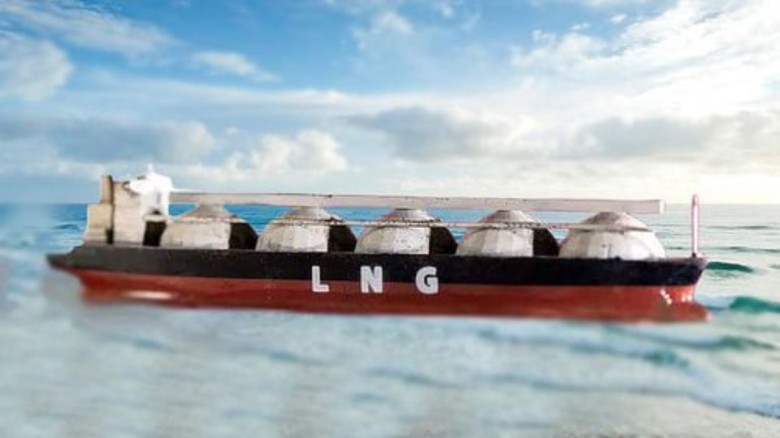 Photo: .

Fresh uncertainty has emerged over four LNG
cargoes purchased through the direct procurement method to ensure a quick
supply of gas. The cargoes were scheduled to arrive in Bangladesh in August,
but none had arrived by August 17. Their arrival dates also remain uncertain,
raising concerns that the country’s gas supply crisis may not ease fully in the
near term.
Against this backdrop, Petrobangla has moved
to procure five additional LNG cargoes on an urgent basis. While bids have been
received for two of the cargoes, no companies submitted offers for the
remaining three.
According to Petrobangla and Rupantarita
Prakritik Gas Company Ltd (RPGCL), Bangladesh normally imports around 10 LNG
cargoes a month. Due to terminal-related problems, nine cargoes were scheduled
for August. Of these, three were to be procured through tenders, two under
long- and short-term contracts, and four through direct procurement.
Two of the three tendered cargoes have
already supplied gas, while another is scheduled to arrive on August 20.
Bangladesh has also received one cargo from Qatar under a long-term contract.
However, a cargo under a short-term agreement
with Saudi Aramco was not accepted because of concerns over the risk involved
in transferring it to the terminal.
Of the four cargoes purchased through direct
procurement, two were to be supplied by Hong Kong-based Zhenyu Shipping.
Bangladesh has objected to accepting one of the vessels proposed by the company
because it is reportedly on the United Kingdom’s sanctions list.
Officials fear accepting the vessel could
create complications in future transactions involving international shipping
companies and vessels.
The delivery schedules for the other cargoes
also remain uncertain. The suppliers may seek permission to extend the delivery
period into September, according to officials familiar with the matter.
State Minister for Power, Energy and Mineral
Resources Anindya Islam Amit said several companies awarded contracts through
the direct procurement process had failed to complete the necessary
documentation and formalities.
“As their cargoes have not arrived, we have
taken steps to bring in new LNG through tenders as an alternative,” he said.
At the beginning of August, Bangladesh
decided to purchase LNG through direct procurement from UK-based Black Cube
International, Oman-based Maxwell International SPC and Hong Kong-based Zhenyu
Shipping.
The international LNG price has remained
above $20 per million British thermal units (MMBtu) over the past month,
standing at around $22 on August 17.
In contrast, Black Cube offered LNG at $15.50
per MMBtu, while Zhenyu quoted $14.95.
Officials in the LNG sector said such
unusually low offers compared with the market price warranted more thorough
scrutiny of the suppliers, the source of the cargoes and the vessels being
used.
They also noted that if suppliers fail to
deliver within the agreed timeframe, there are provisions in the contracts
allowing Bangladesh to forfeit security deposits.
After uncertainty emerged over the directly
procured cargoes, Petrobangla invited emergency tenders to purchase five LNG
cargoes for delivery in late August and early September.
Bids were received for two cargoes scheduled
for delivery on August 23-24 and September 4-5. In both cases, BP was the
lowest bidder, quoting around $22 per MMBtu.
No company submitted bids for the remaining
three cargoes. Fresh tenders may be invited for those supplies.
Bangladesh generally imports LNG through both
long-term contracts and the spot market. The country has long-term agreements
with Qatar and Oman. Supplies from these sources have also faced disruptions
amid the ongoing conflict in the Middle East.
The government also has a short-term
agreement with Saudi Aramco.
Bangladesh has two floating LNG terminals in
Maheshkhali, Cox’s Bazar. Excelerate Energy’s terminal has a daily capacity of
600 million cubic feet, while Summit’s terminal can supply 500 million cubic
feet a day.
Excelerate’s terminal was shut down following
a fire incident on July 21. Gas supply improved somewhat after Summit’s
terminal resumed full-capacity operations and Excelerate’s facility partially
resumed operations.
However, with no new cargoes arriving, gas
supply from Excelerate’s terminal has started declining again.
Total gas supply in Bangladesh fell to 1.64
billion cubic feet last Friday before rising to 2.42 billion cubic feet on
Saturday. Supply stood at 2.40 billion cubic feet on Sunday and declined to
2.28 billion cubic feet on Monday.
LNG accounted for around 660 million cubic
feet of Monday’s supply.
Improved gas pressure has allowed production
to begin returning to normal at several industrial facilities in Narayanganj,
Gazipur, Savar and Habiganj. However, some areas of Gazipur and several
factories in Savar are still facing gas shortages.
Energy experts said the primary purpose of
direct procurement is to ensure rapid supply during periods of shortage. If
suppliers fail to deliver scheduled cargoes, the authorities should take action
under the relevant contracts and quickly secure alternative LNG supplies to
prevent the crisis from worsening.