Dhaka

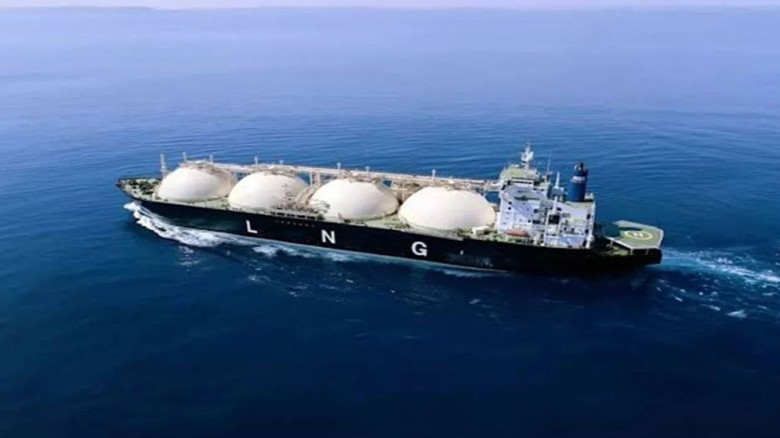 Photo: .

Staff Correspondent
Bangladesh's ongoing gas crisis is
unlikely to ease anytime soon, as reduced liquefied natural gas (LNG) supply
continues to disrupt distribution across the country. Authorities say low gas
pressure and supply shortages in Dhaka and several other areas are expected to
persist for at least the next few days.
According to Petrobangla sources,
the floating LNG terminal operated by Excelerate Energy at Maheshkhali
in Cox's Bazar has yet to resume operations. Gas supply has remained disrupted
since a fire broke out at the terminal last Tuesday. Although local and
international technical teams are working to repair the damaged facilities,
officials have not provided a timeline for the terminal's full restoration.
Residents in areas including
Kalabagan, Mohammadpur, Kafrul, Kazipara, West Tejturi Bazar, and Badda are
experiencing severe gas shortages. In some neighborhoods, gas pressure is
extremely low, while others have no supply at all, forcing many households to
cook using electric or traditional clay stoves.
Bangladesh currently imports LNG
through two floating storage and regasification units (FSRUs) at Maheshkhali.
One is operated by U.S.-based Excelerate Energy and the other by Summit. The
fire damaged a boiler at the Excelerate terminal, significantly reducing the
volume of gas being supplied to the national grid.
Petrobangla Director (Operations and
Mines) Md. Rafiqul Islam said technical teams are working continuously
to restore the terminal but that more time will be required. He added that it
is not yet possible to specify when normal operations will resume.
Petrobangla estimates the country's
daily gas demand at around 3.8 billion cubic feet. Even under normal
conditions, average supply stood at about 2.7 billion cubic feet per
day. Since the terminal was shut down, daily supply has fallen to below 2.15
billion cubic feet.
The gas shortage has also affected
electricity generation, with gas-fired power production declining by
approximately 1,500 megawatts. Industrial factories, CNG filling
stations, and residential consumers are also facing significant disruptions,
while long queues have formed at many CNG stations.
Petrobangla has apologized to
consumers for the inconvenience, saying that both domestic and foreign experts
are working to restore the damaged terminal as quickly as possible. Meanwhile, Titas
Gas Transmission and Distribution PLC warned that customers within its
service areas will continue to experience low gas pressure until the situation
improves.
Energy expert Professor M. Tamim
said the country's gas sector had long suffered from a mismatch between supply
and demand. The shutdown of one LNG terminal has exposed that structural
weakness. He noted that the current crisis could have been largely avoided if
adequate backup infrastructure had been developed.