Dhaka

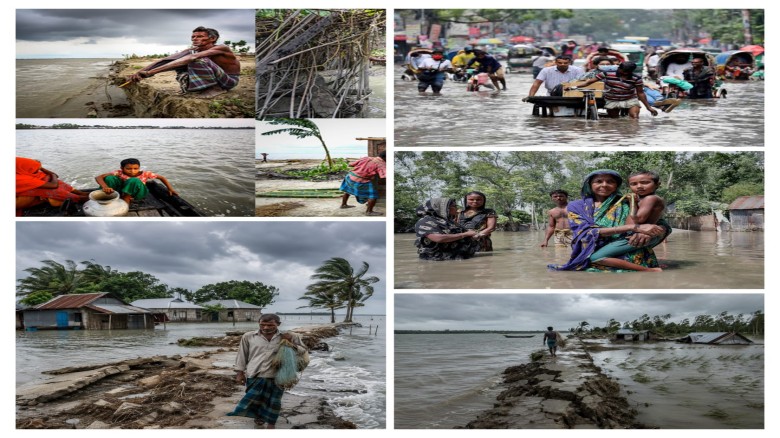 Photo: .

Sakibul Hasan
The consequences impacts of climate change
are becoming gradually apparent across the country's coastal areas. Rising sea
levels, stronger cyclones and storm surges, expanding salt concentration, unpredictable
rainfall, river erosion, and extended waterlogging are collectively changing
the region's economy, environment, and the way of life. Experts worn that
climate change is not a longer future threat - it is a present-day reality for
millions leaving along the coast.
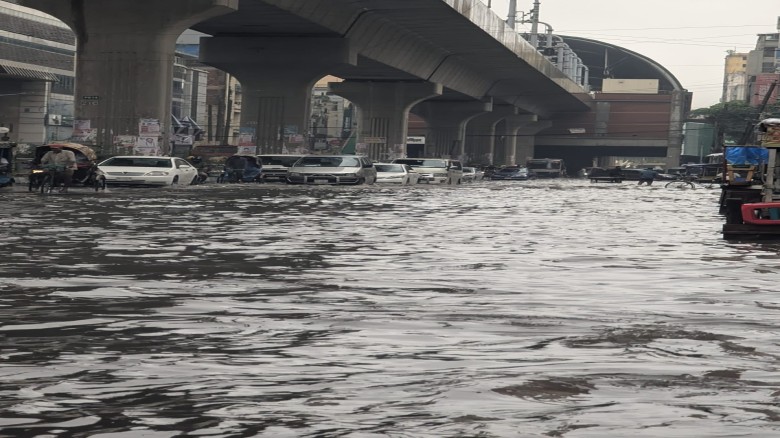
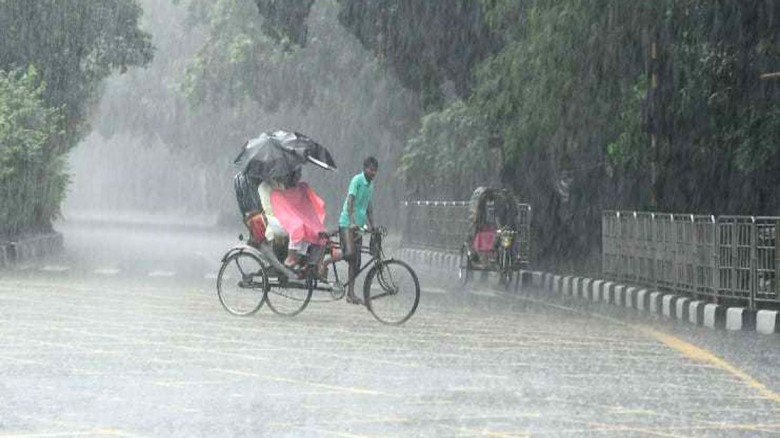
Heavy rainfall and flash floods that struck
southeastern part of Bangladesh in July have once again highlighted the
country's growing climate vulnerability. While the immediate impacts were contracted in the hilly and eastern
districts, climate scientist say that changing sea conditions, worsening salinity and accelerating coastal erosion in
the south even greater long-term challenges.
Approximately 710 kilometres of
Bangladesh coastline supports the
livelihoods of million of people who depend on agriculture, fisheries,
forestry, and small-scale business. Nevertheless, these sectors are becoming
incrementally vulnerable to climate-induced shocks. in district including
Satkhira, Khulna, Bagerhat, Bhola, Potwakhali, Pirojpur, Noakhali and Cox's
Bazar, Rising salinity is reducing
agricultural productivity, intensifying the shortage of safe drinking water,
and forcing communities to alter there traditional livelihoods.
Agricultural experts say that land once
capable of producing two or three crops a year is gradually becoming
unsweitable for conventional farming. Many farmers are shifting to shrimp
cultivation or salt tolerant crops. While shrimp farming has increased for some
households, it has also reduced food crop production and limited employment
opportunities for farming communities.
River bank erosion and coastal land loss are
creating another layer of vulnerability. Every year, thousands of families lose
their homes and agricultural land,
forcing many to relocate another place which is so uncomfortable for homeless
people. A growing number migrate to cities such as Khulna, chattagram and Dhaka in search of
work. Researcher describe this trend as one of the country’s most visible forms
of internal climate-induced migration.
Environmental experts also point to the
worsening crisis of fresh water
availability in coastal areas. Increasing salinity in rivers, canals, and ponds
has forced many communities to travel long distance to collect drinking water.
Women and Children bear a these disproportionate share of this burden, while
prolonged exposure to saline water is associated with a range of health risks.
The Sundarbans, Bangladesh's natural
protection against coastal disaster and the world's largest mangrove forest, is
also under mountain pressure from climate change. Rising sea levels, increasing
salinity, and repeated cyclones are endangering its ecological diversity and
delicate ecosystem. Conservationist worn that any significant diggradation of
the Sundarbans would weaken the country’s natural defence against storm and
tidal surges.
Experts argue that responding to climate
change requires far more than post-disaster relief. They stress the need for
stronger coastal embarkments,
expended access to safe drinking water,
restoration of rivers, mangrove restoration,
adaptation of climate resilient agriculture, and diversified livelihood
opportunities. Long-term adaptation, they say, must become a national
development priority.
Climate change is no longer so solely an environmental issue. It's increasingly
affecting public health, employment, food security, internal migration, and the
country’s broader economic stability.
Without science based policies, sustained investment and meaningful
participation of local communities, experts worn taht Bangladesh's coastal
region could face even greater challenges in the coming decades.