Dhaka

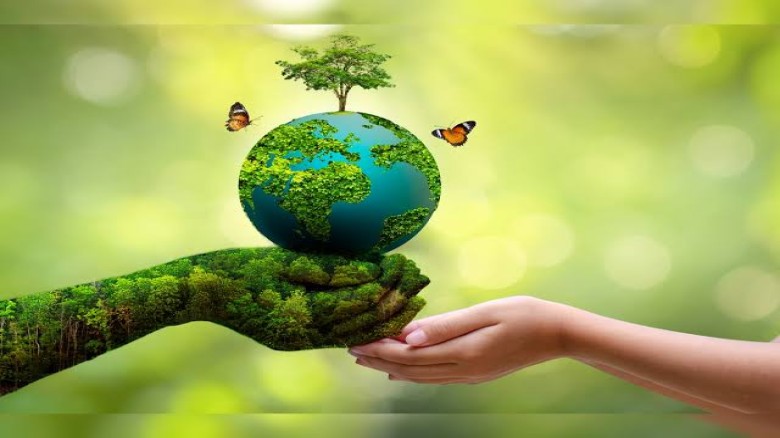 Photo: .

Sakibul Hasan
World Environment Day is observed on June 5. The day is being observed
worldwide to encourage environment protection, address the impacts of climate
change and make sure the sustainable development. Commenced be the United
Nations Environment Program (UNEP), world Environment Day has been marked
annually since 1973. The theme of this year is “Climate Action” highlights the
need for effective measures at individual, societal and governmental levels to
combat the growing climate crisis.
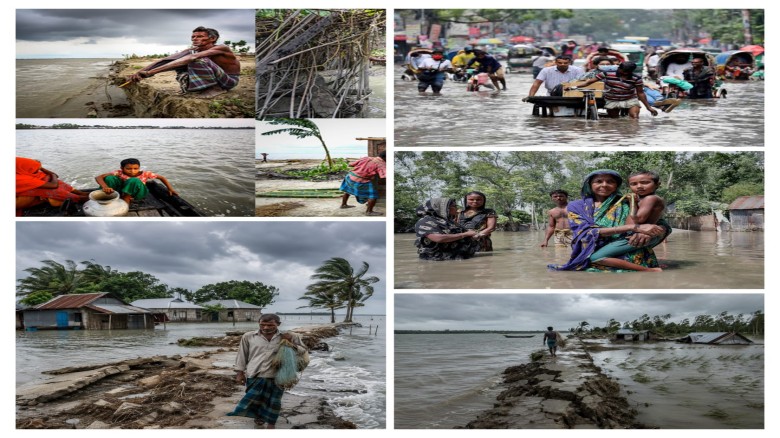
World Environment Day is highly significant for Bangladesh. The country
is leading one of the most vulnerable nations to climate change, in spite of
playing a role in only negligible share of global carbon emissions. Bangladesh
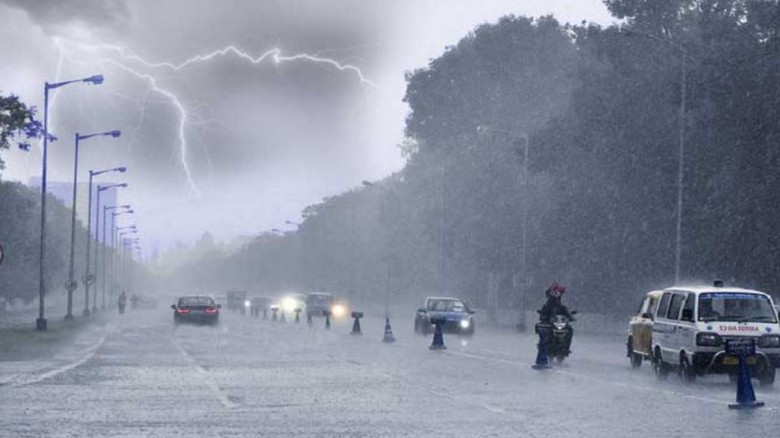
continues, however, to bear the sever the result of climate-related disasters,
including floods, cyclones, droughts, river erosion, salinity intrusion and
sever heatwaves.
Over the past few years, heatwaves have appeared as one of the country’s
most pressing environmental challenges. Environmental and climate change
researchers highlight that, along with global warming, local factors including
unplanned encroachment of water bodies, urbanization, loss of green space I
mean lack of tree and deforestation have strongly influenced to rising
temperatures. Experts say that environmental destruction within the country is
accountable for a substantial portion of the temperature rise experienced in
Bangladesh.
The effects of heatwaves are felt more severely in urban areas. Building
and infrastructure made of concrete, brick and stone absorb heat rapidly and
release it slowly, creating is known as the “urban heat island” effect.
Simultaneously, open spaces and green areas in cities are gradually decreasing,
further worsening the problem.
Environmental concern people
highlight that forests play a significant role in maintaining ecosystem
balance. However, Forest coverage in Bangladesh remains below the level
considered for sustainable environment. The reduction of natural forests is
endangering biodiversity across the country. In the meantime, northwestern
region of our country has long been recognized as drought-prone. Unpredictable
rainfall, shrinking rivers and wetlands and deterioration are growing the risk
of desertification in certain areas.
Experts believe that governmental action alone are not enough to protect
the Bangladesh environment situation. Large-scale tree plantation programs,
conservation of wetlands, restoration of rivers and canals, reduction of
plastic pollution and strict law enforcement of environmental regulations are
essential. Alongside this, expanding the use of renewable energy and
encouraging eco-friendly lifestyles can play a vital role in addressing
environmental challenges.
World Environment Day servers as a reminder that human civilization
cannot survive without nature and a healthy ecosystem. To safeguard both present and future
generations, environmental protection possible remain a top priority. By
raising awareness, collective action, accountability, it is possible to build a
greener, safer and more livable Bangladesh.