Dhaka

 Photo: .

Online Desk
On World Population Day, public health
experts warned that gaps in birth registration are creating major challenges
for child healthcare, immunization programs, and population planning in
Bangladesh. They also noted that the country's total fertility rate (TFR)
has begun rising again in recent years.
During the recent nationwide measles vaccination
campaign, the target was to vaccinate 19.9 million children
aged six months to five years. However, the target population for the Vitamin A Plus Campaign
in the same age group was 22.661 million children. The difference of nearly 2.8 million children
highlights significant shortcomings in birth registration and the availability
of accurate population data.
According to the latest national census,
nearly 30.1
million people in Bangladesh do not have birth registration. As
a result, the lack of reliable age-specific population data is creating
inconsistencies in planning immunization, nutrition, disease prevention, and
other healthcare services, leaving many children at risk of missing essential
care.
The theme of this year's World Population Day
is: "Empowering
Young People to Create the Families They Want in a Fair and Hopeful
World."
Experts said that around 67 percent
of children in Bangladesh are now born in hospitals or other healthcare
facilities. They believe that making birth registration mandatory at the point
of birth in hospitals would significantly improve registration rates and
provide more accurate data for healthcare planning.
The government has set a target of achieving 100 percent registration
of births, deaths, and other vital events by 2030. As part of
this effort, presenting a birth registration certificate has been made
mandatory when children receive their first vaccine dose, while monitoring at
the upazila level is also being strengthened.
Meanwhile, the United Nations Population
Fund (UNFPA) estimated Bangladesh's total fertility rate at 2.1 in its
2025 report.
However, according to the Bangladesh Bureau of Statistics (BBS) and UNICEF's Multiple
Indicator Cluster Survey (MICS), the country's fertility rate
has increased to 2.4. Experts believe the rise is largely due to shortages
of contraceptive supplies over the past one and a half to two years.
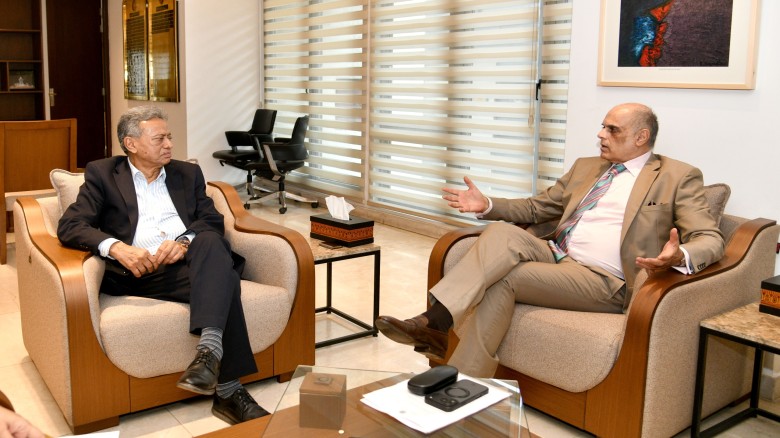
Dr. Jinnat Rehana,
Director General of the Directorate General of Family Planning, said that the
government has initiated a new procurement process to secure a 15-month supply
of contraceptives, including oral pills, condoms, injectable contraceptives,
and other family planning commodities. She expressed hope that the current shortage
would be resolved once the new supplies arrive.
Health Minister Sardar Sakhawat Hossain said the government plans to make birth registration mandatory within one week of birth to ensure that no child is deprived of healthcare because of registration-related complications. He also expressed optimism that the shortage of contraceptive supplies would soon be addressed through the new procurement initiative.