Brahmanbaria Senior Reporter: Minhaj Nabi Khan Palash
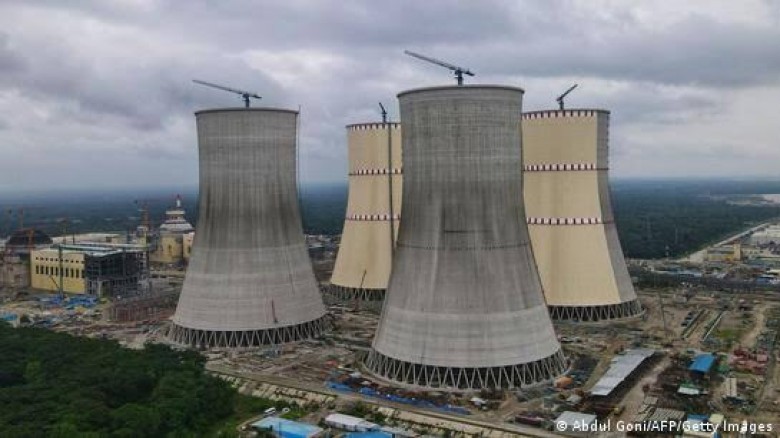
Bangladesh has decided to pay China National Energy Engineering and Construction Company (CNEE) 35 to 37 percent higher regasification fees than the current rate for setting up the third floating LNG terminal (FSRU) at Kutubjom in Maheshkhali. However, behind this project lies another sensational piece of information — the proposal of CNEE is identical to the proposal of NS Energy, the company of the grandson of Musfiqur Rahman, Member of Parliament for Brahmanbaria-4 (Kasba-Akhaura) constituency.
It may be mentioned that this information was revealed by Hasnat Abdullah, Member of Parliament for Cumilla-4. In a detailed status on social media, he brought up the matter. According to him, on 12 May a company named NS Energy submitted a proposal to the Ministry of Power, Energy and Mineral Resources for setting up the third terminal. The CEO of this company is Tarif Rahman, grandson of Musfiqur Rahman, Chairman of the Parliamentary Standing Committee on the Ministry of Finance. He is the son of the MP’s daughter Mehveen Rahman Munia. There are rumours that his father Ashfaq Jamil Rahman is the real owner of NS Energy.
According to the information provided by Hasnat Abdullah, on 19 June the Chinese company CNEE submitted a proposal for setting up the terminal. But when their proposal is placed side by side with that of the MP’s grandson’s company, it is seen that in the six-page letter, except for the name of the company, not a single word or number has been changed. Even in the map image provided by the Chinese company, “NS Energy” was written. Why is the name of the FSRU proposed by the Chinese company also “NS Energy FSRU”?
Avoiding the tender process, the Cabinet Committee on Economic Affairs gave policy approval to this Chinese company under the government-to-government (G2G) method on 28 July. In other words, it is being assumed that to hide the name of the MP’s grandson, the work is being done through a Chinese company instead of in his own name. Otherwise, it would not be possible for every word of the entire proposal to be identical.
In the proposed 15-year agreement, the daily fee has been fixed at USD 342,000. On the other hand, the current daily fee of Excelerate Energy’s FSRU is USD 254,000 and that of Summit LNG Terminal is USD 249,115. In March 2024, Petrobangla had agreed to USD 300,000 per day for Summit’s second FSRU, but after the fall of the Awami League government, that agreement was cancelled in October.
In the feasibility study of the state-owned Rupantarita Prakritik Gas Company Limited (RPGCL) in 2025, a daily fee of USD 239,653 was recommended, which is 43 percent lower than the fee proposed by CNEE.
A seven-member negotiation committee on 30 August recommended two alternatives to the government: a 15-year agreement at USD 342,000 per day or a 20-year agreement at USD 329,000 per day.
In response to journalists’ questions, Musfiqur Rahman said that he has no knowledge of any relationship between NS Energy Navigation and CNEE. He only knows about his son-in-law. But the question is — as the Chairman of the Standing Committee responsible for ensuring accountability of the Ministry of Finance, if his grandson gets a government contract in name or in proxy, then where does accountability remain?
Secondly, how did the confidential technical documents of a company owned by the family of a Member of Parliament responsible for overseeing financial accountability reach the hands of a Chinese organization? How did that same organization subsequently get government approval for the same project at 37 percent higher price? Why did NS Energy, which submitted the same proposal one month earlier, not get this work?
In addition, CNEE claimed experience in the Summit Terminal-2 project to prove its technical eligibility. But the Managing Director of Summit LNG Terminal Company has directly denied it. In other words, the company to which the government is about to award the third terminal has no experience.
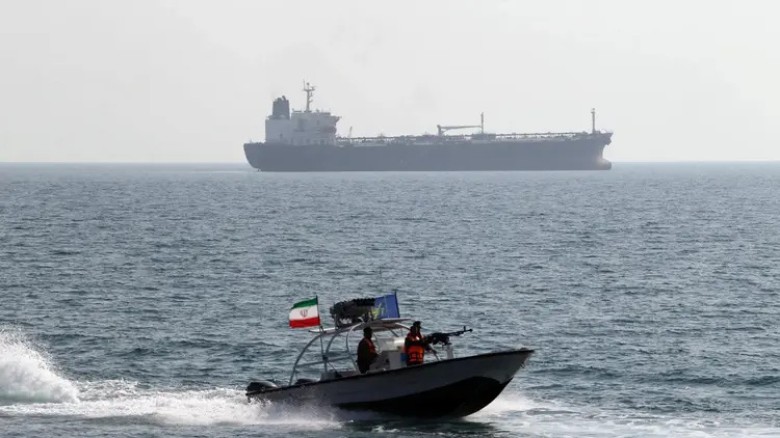
This decision has been taken amid a growing LNG crisis. Due to the disruption of shipments through the Strait of Hormuz caused by the war in the Middle East, QatarEnergy has reduced the scheduled supply for 2026 by half. According to the estimate of the Ministry of Power, Energy and Mineral Resources, LNG subsidy in the current fiscal year may increase from Tk 14,500 crore to Tk 40,000 crore.
News Published By:
Bangladesh Diary

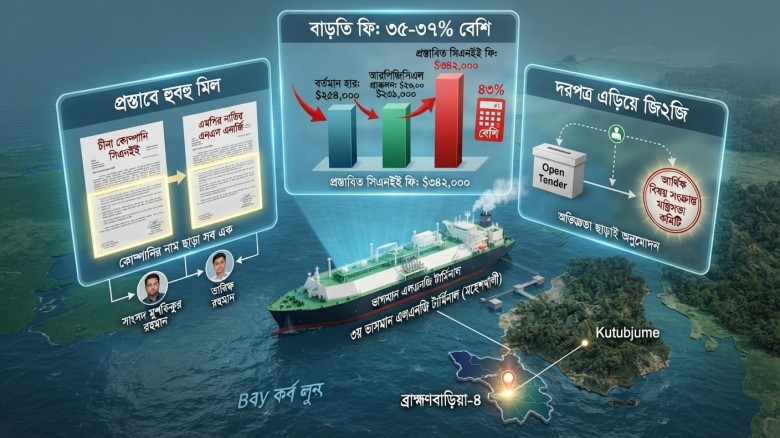 Photo: .