Dhaka

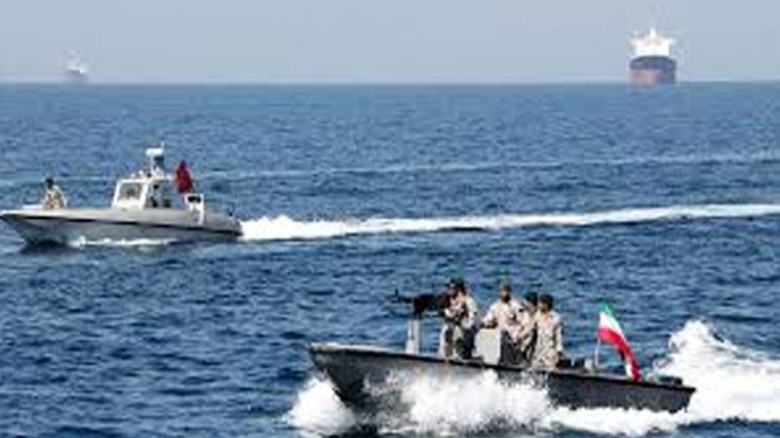 Photo: .

Fresh tensions have erupted in the Middle
East over the Strait of Hormuz after U.S. President Donald Trump announced the
launch of a military operation named “Project Freedom” aimed at restoring
normal commercial shipping through the strategic waterway.
Following the announcement, exchanges of
warnings between the United States and Iran intensified, alongside claims of
missile attacks and growing security concerns across the Gulf region.
According to the U.S. administration, the
operation is intended to ensure the safe movement of international commercial
vessels stranded in the Strait. Donald Trump said several countries had
requested assistance from Washington to keep global maritime trade routes
operational.
Iran, however, warned that increased U.S.
military activity in the Strait would be considered a violation of the ongoing
ceasefire. Authorities in Tehran claimed that missiles had been fired targeting
a U.S. naval vessel, although Washington denied reports of any such attack.
Amid the rising tensions, reports also
emerged of attacks on two oil tankers in the Gulf region. United Arab Emirates
said drone and missile strikes targeted oil facilities in Fujairah, causing
fires. Emirati officials stated that several attacks were intercepted by air
defense systems.
The crisis has already begun affecting global
markets. International crude oil prices climbed above $111 per barrel as
concerns grew over the security of the Strait, through which nearly 20 percent
of the world’s oil supply passes.
The United States Central Command said
“Project Freedom” would involve the deployment of around 15,000 troops,
missile-defense destroyers, and more than 100 warplanes. According to CENTCOM,
the mission’s primary objective is to guarantee freedom of navigation for
commercial vessels in the Strait.
Meanwhile, Iran’s military said it is closely
monitoring the movements of U.S. warships near the Gulf of Oman and the Strait
of Hormuz. Iranian officials claimed warning shots and rockets were fired
toward a U.S. destroyer after it allegedly ignored warnings.
European countries have also expressed
concern over the escalating situation. Johann Wadephul urged Tehran to engage
in dialogue with Washington, warning that prolonged conflict could further
destabilize security across the region.