Dhaka

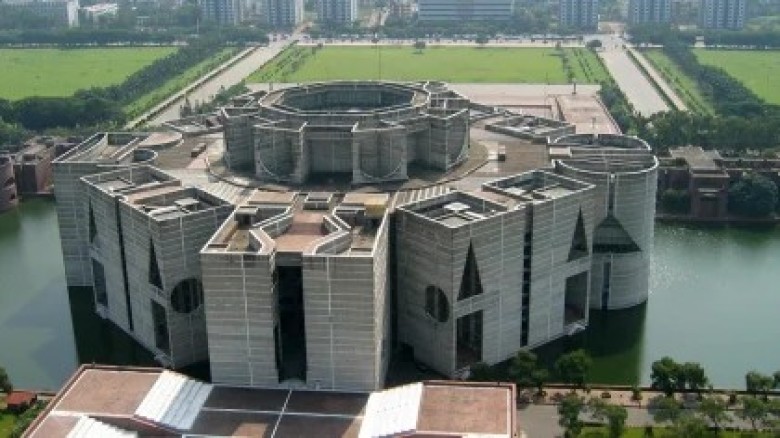 Photo: .

Online Desk
The 13th parliament of Bangladesh begins its journey today with renewed expectations that the new House will strengthen democratic practices through constructive debate, effective lawmaking, and greater accountability of the government.
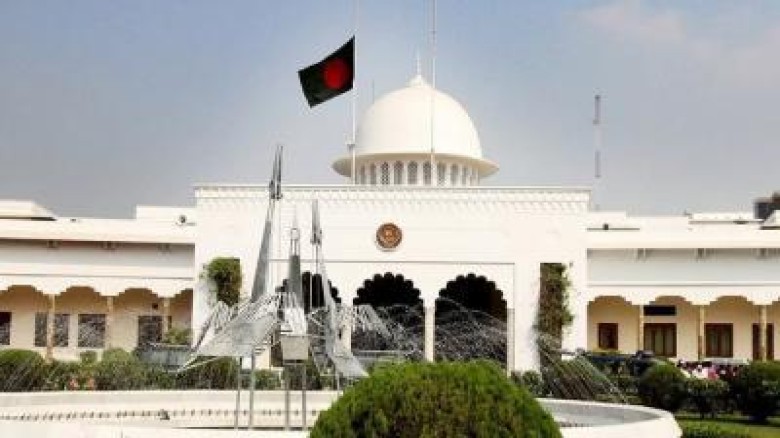
The Jatiya Sangsad Bhaban will come alive at 11:00am as newly elected lawmakers gather for the inaugural sitting of the new parliament. Members of parliament were elected in the February 12 general election, widely regarded as the country’s first credible national vote in more than 15 years.
Since 1991, many parliamentary sessions in Bangladesh have been criticised for frequent boycotts, weak debates, and the perception that the legislature often acted as a rubber stamp for ruling parties. As a result, expectations are high that the 13th parliament will break away from that trend and establish a more vibrant and effective legislative environment.
One of the parliament’s most urgent tasks will be deciding the fate of 133 ordinances issued by the interim government. According to constitutional provisions, parliament must either approve or reject these ordinances within 30 days.
Lawmakers will also elect a Speaker and deputy speaker during the first sitting. The treasury bench holds a two-thirds majority in the new parliament.
However, uncertainty remains over the formation of the proposed Constitution Reform Council under the July National Charter (Constitution Reform) Implementation Order, 2025.
Chief Whip of the 13th parliament, Nurul Islam Moni, expressed optimism ahead of the session. Speaking at a press conference yesterday, he said the new parliament aims to represent the hopes and aspirations of the people.
“Our goal is to run an effective, vibrant and responsible parliament,” he said, adding that lawmakers hope to ensure constructive discussions, rational arguments and healthy debates on national issues.
He also called on opposition parties to play a positive role so the country can move towards a stronger and more self-reliant future.
According to Nurul, the inaugural session will begin with the Speaker’s chair temporarily vacant because there is currently no Speaker or deputy speaker in office.
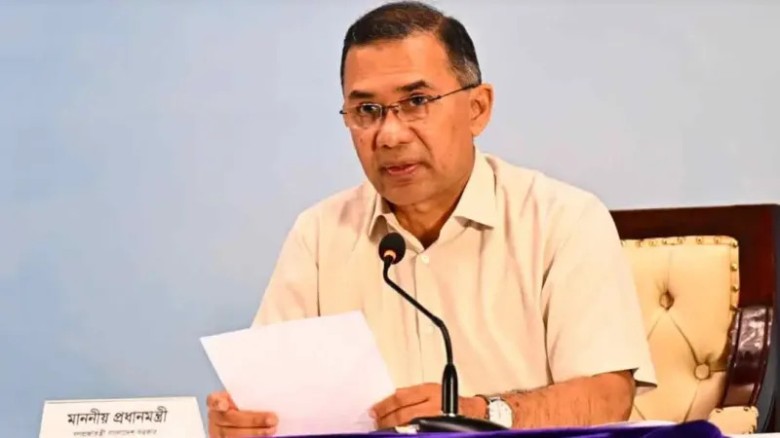
Leader of the House and Prime Minister Tarique Rahman will propose the name of a senior member to preside over the session temporarily. Once the nomination is seconded by another lawmaker, the member will chair the sitting during which the Speaker and deputy speaker will be elected.
Normally, the outgoing Speaker presides over the first meeting of a new parliament. However, former Speaker Shirin Sharmin Chaudhury resigned in September 2024 and has not appeared publicly since. Former deputy speaker Shamsul Haque Tuku is currently in prison after being arrested in a murder case related to the July Mass Uprising in Bangladesh.
After the election of the Speaker and deputy speaker, both will take oath administered by President Mohammed Shahabuddin, after which the newly elected Speaker will preside over the House.
The parliament will also form the Business Advisory Committee, headed by the Speaker, which will determine the duration and agenda of the inaugural session.
During the sitting, condolence motions will be placed in memory of former prime minister Khaleda Zia, those who lost their lives in the July mass uprising, and other notable personalities at home and abroad.
The law minister will present the 133 ordinances issued by the interim government. A special parliamentary committee comprising members from both treasury and opposition benches will examine the ordinances and recommend which ones should remain in force and which should lapse.
Nurul said parliament aims to finalise decisions on the necessary ordinances by April 12.
President Mohammed Shahabuddin is scheduled to address the session later in the day, after which the sitting will be adjourned.
Under the July charter order, members of the 13th parliament were expected to serve both as lawmakers and as members of a Constitution Reform Council tasked with reviewing 48 constitutional provisions within 180 working days.
However, the future of the council remains uncertain. Nurul explained that the council currently lacks constitutional recognition, which is why BNP lawmakers did not take oath as its members.
He added that a final decision will be taken once the council is formally incorporated into the constitution.
Professor Al Masud Hasanuzzaman of Jahangirnagar University said both the treasury and opposition benches must perform their respective roles effectively to make parliament productive.
He noted that the proposal to offer the deputy speaker’s post to the opposition could be a positive step towards strengthening democratic practices.
To improve legislative performance, he stressed that every bill must undergo thorough scrutiny and debate before being passed.
Another parliamentary affairs expert, Nizam Ahmed, said he remains cautiously hopeful about the new House. He pointed out that many new lawmakers are professionals rather than businessmen, which may help improve the quality of parliamentary work.
He also noted that there appears to be a serious effort within political parties to prepare and train new lawmakers for their responsibilities.