Dhaka

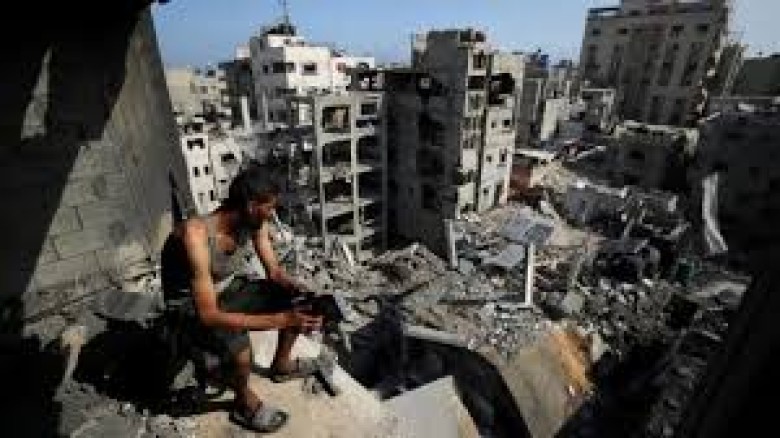 Photo: .

International Desk
Despite an ongoing ceasefire, the
situation in the Gaza Strip is becoming increasingly volatile. Alongside
continued operations by the Israel Defense Forces, new anti-Hamas armed groups
are emerging, adding further complexity to the conflict.
According to local health officials,
at least four Palestinians were killed in separate attacks on Sunday.
Fatalities were reported in central Gaza, areas near Gaza City, and Khan Yunis.
In southern Gaza, several anti-Hamas
factions are attempting to strengthen their presence, particularly in Rafah and
Khan Yunis. Recently, one such group reportedly distributed food supplies to
gain local support, but came under fire from Hamas.
Analysts say a group known as the
“Popular Forces,” led by Yasser Abu Shabab, is trying to position itself as an
alternative to Hamas. While the group has called for Hamas to disarm, its
public support appears limited. Many residents view these factions with
suspicion, with some believing they may have ties to Israel.
Violence continuing despite the
ceasefire has raised serious concerns. According to the Palestinian Ministry of
Health, more than 800 people have been killed since the ceasefire began.
Meanwhile, Israeli forces are
maintaining control over nearly 60 percent of Gaza, expanding security zones.
This has forced displaced civilians into increasingly confined areas. The
blockade has also led to severe shortages of food and medicine. Although the
ceasefire agreement allows for 600 aid trucks per day, actual deliveries have
been limited to around 150–190 trucks.
The ongoing instability highlights the fragile nature of the ceasefire and the growing humanitarian crisis in the region.