Dhaka

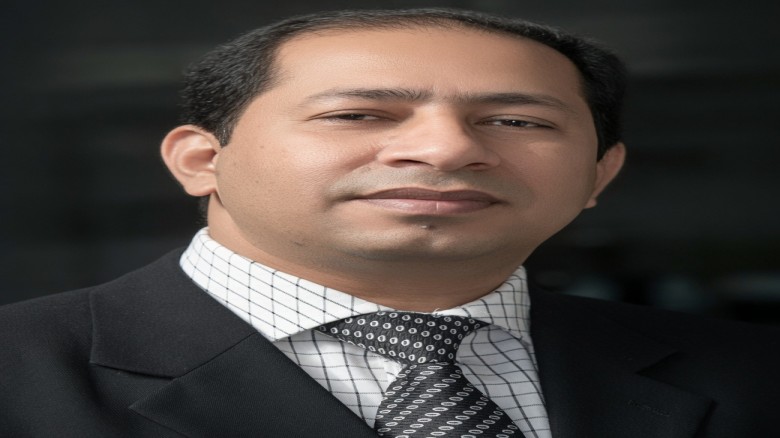 Photo: .

Dr. Ashish Kumar Chakraborty
Dengue is no
longer just a seasonal illness in Bangladesh; it has now become a symbol of a
national public health emergency. Once considered primarily a problem of the
capital Dhaka, dengue has spread rapidly over the past few years to even the
remotest districts, upazilas, and rural areas of the country. Climate change,
uncontrolled urbanization, unplanned waste management, accumulation of stagnant
water, and lack of public awareness — all these factors combined have turned
dengue into a silent but deadly threat for Bangladesh.
The year ‘2023’
is recorded as the worst in Bangladesh’s dengue history. According to government
data, more than 321,000 people were infected with dengue that year, and 1,705
people lost their lives — the highest number in the country’s history. In 2024,
over 100,000 people were infected and more than 500 died. Even in 2025, the
situation has not come under full control. There is growing concern that dengue
is gradually turning into a year-round disease.
Dengue is a
mosquito-borne viral infection primarily transmitted by the bites of ‘Aedes
aegypti’ and ‘Aedes albopictus’ mosquitoes. Common symptoms include high fever,
severe headache, pain behind the eyes, intense muscle and joint pain, vomiting,
and red rashes on the skin. If not treated promptly, it can develop into
life-threatening conditions such as Dengue Hemorrhagic Fever (DHF) or Dengue
Shock Syndrome (DSS).
The most
effective way to combat dengue is not treatment, but ‘preventio’. There is
still no specific medicine for dengue. Therefore, destroying mosquito breeding
sites, keeping homes and surroundings clean, and preventing water from
stagnating in flower tubs, air conditioner trays, discarded tires, coconut
shells, or any containers is extremely important. Using mosquito nets, applying
repellents, wearing full-sleeve clothing, and strengthening community
cleanliness drives are also essential.
If someone
contracts dengue, adequate rest, plenty of fluid intake, and immediate
consultation with a doctor are necessary. In many cases, patients become overly
panicked about their platelet count, whereas from a medical perspective, the
patient’s overall physical condition, blood pressure, blood concentration, and
warning signs are far more important. It is wise to follow a doctor’s advice rather
than relying on rumors or misinformation.
Many people
still do not take fever seriously, thinking it is just a common cold or flu,
and delay seeking treatment. By the time they reach the hospital in critical
condition, it is often too late. Furthermore, many patients get admitted to
small local clinics that lack proper diagnostic facilities and treatment,
causing their condition to deteriorate further before they are transferred to
better hospitals. Therefore, from the very onset of illness, patients need a
hospital equipped with all necessary facilities to save lives.
Dengue no
longer presents with its classic symptoms. Patients are increasingly coming to
hospitals with neurological weakness, black stool, and breathing difficulties.
Sometimes, even if a patient has fever, the dengue test comes back negative. As
a result, patients ignore the symptoms thinking it is not dengue — and that is
when complications arise. Hence, it is crucial to always follow a doctor’s
advice.
The fight
against dengue is not the government’s responsibility alone; it is the
collective duty of citizens, families, local administrations, health workers,
educational institutions, and the media. Just as one mosquito can plunge an
entire family into grief, one aware family can keep an entire neighborhood
safe. We believe that through the combined efforts of knowledge, awareness, and
social responsibility, a dengue-free Bangladesh is possible.
Managing
Director
Universal
Medical College Hospital, Dhaka
Universal
Medical Services Limited, Brahmanbaria