Dhaka, April 2026 — The government of Bangladesh is set to introduce a QR code–based digital fuel pass system from April in an effort to regulate fuel sales, prevent panic buying, and reduce pressure on the country’s fuel supply network.
According to officials from the Energy Division, the system will initially be implemented for motorcycles. Registered vehicles will be allowed to purchase a limited amount of fuel within a fixed time period through a mobile application currently under development.
Authorities believe the initiative will help bring discipline to fuel sales as long queues continue at filling stations amid concerns over global fuel supply instability. Officials suspect that fears of potential fuel price increases have encouraged many drivers to purchase more fuel than necessary, contributing to congestion at pumps.
Under the proposed system, users will need to register using their personal and vehicle information through a mobile app. Each registered vehicle will receive a unique QR code, which must be scanned at filling stations before purchasing fuel. The system will automatically record each transaction and enforce limits on how much fuel can be bought within a specific period.
Although the exact limits for Bangladesh have not yet been finalised, similar systems in other countries allow motorcycles to purchase around five litres of fuel per week, while cars may receive approximately 15 litres during the same period. Once the limit is reached, further purchases will not be allowed until the next cycle.
Officials said motorcycles are being prioritised in the first phase because they account for a large share of petrol and octane consumption. Starting with motorcycles will allow the government to test the digital system on a smaller scale while helping reduce pressure on fuel stations.
In the meantime, several districts including Satkhira, Thakurgaon, Chuadanga, and Sirajganj have already introduced manual fuel card systems. In these areas, drivers must present authorised fuel cards containing vehicle and personal information in order to purchase petrol or octane. Authorities consider these manual systems as pilot measures ahead of the nationwide digital rollout.
Officials said the government is working to ensure the process remains simple and accessible. Drivers may be able to register through the mobile application or activate their fuel pass directly at filling stations once the system is launched.
The Energy Division expects pilot testing to begin soon, with gradual expansion depending on the results. If successful, the digital fuel pass system may eventually replace manual fuel cards and could also be extended to monitor fuel distribution in sectors such as agriculture and industry.
The government has prioritised ensuring adequate diesel supply for agricultural activities, particularly during the irrigation season, as part of its broader strategy to manage fuel distribution effectively.

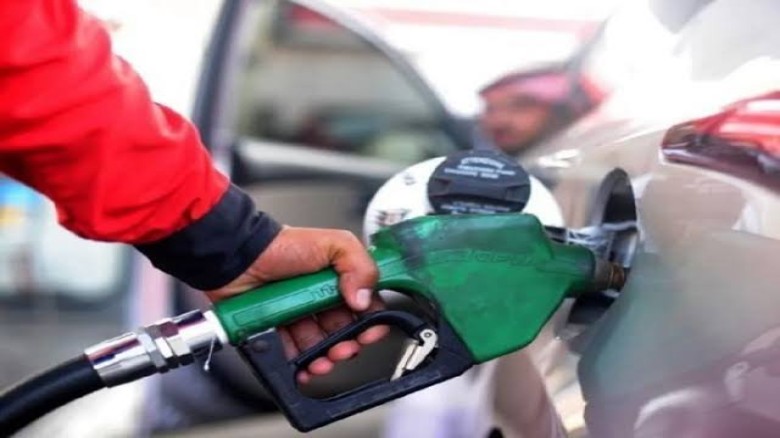 Photo: Collected