Dhaka

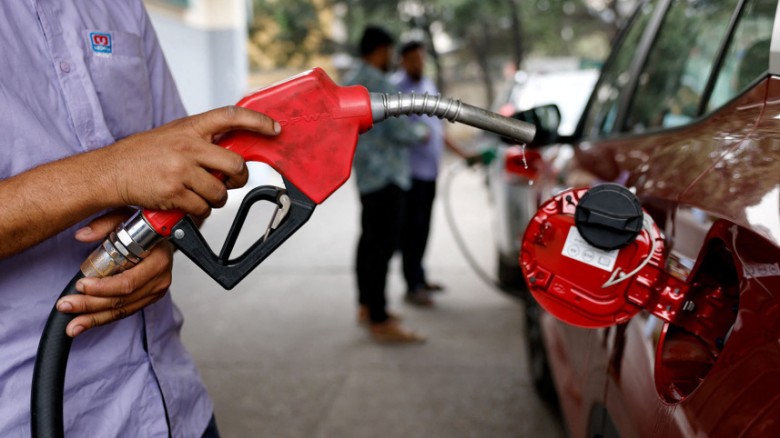 Photo: .

Online Desk
The government of Bangladesh has increased
fuel prices once again, with the new rates taking effect from Sunday. The decision comes amid ongoing volatility in
global energy markets, forcing consumers to pay more for fuel.
According to a notification from the Energy
and Mineral Resources Division, the new per-liter prices are: diesel at 115
taka, kerosene at 130 taka, octane at 140 taka, and petrol at 135 taka. These
rates mark the highest fuel prices in the country’s history.
Diesel prices have increased by about 15%,
while octane rose from 120 to 140 taka, petrol from 116 to 135 taka, and
kerosene from 112 to 130 taka.
The price hike is largely attributed to
rising crude oil costs in the global market, driven by ongoing tensions in the
Middle East. Since February, supply uncertainties have pushed crude oil prices
above $100 per barrel. Though prices have eased slightly in recent weeks, the
market remains unstable.
Domestically, fuel supply is also under
pressure. Increased demand has led to long queues at filling stations in Dhaka
and other areas. To address this, the Bangladesh Petroleum Corporation (BPC)
has instructed fuel distribution companies to ensure higher supply.
Officials say demand is currently about 30%
higher than normal, partly due to panic buying amid fears of shortages.
Authorities are planning to boost supply at pump level with support from local
administration.
Diesel remains the most widely used fuel in
the country, accounting for about 63% of total consumption. Although recent import disruptions reduced reserves, new
shipments are arriving to stabilize the situation.
Meanwhile, rising demand for octane and
petrol—especially from motorcycles and private vehicles—has increased pressure
on filling stations.
Experts warn that increasing supply alone may
not fully resolve the crisis. Effective management and monitoring are needed to
address public concerns and prevent further market disruption.
It is worth noting that since March 2024, Bangladesh has been following an automatic fuel pricing mechanism aligned with global market trends, adjusting prices monthly based on import costs.